The Offering That Opened Everything: American Travelers on the Shrine Gifts That Redirected Their Lives
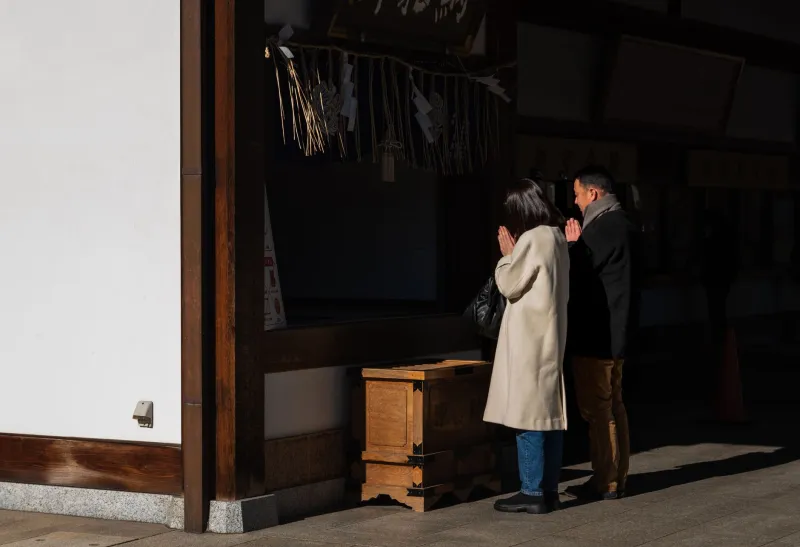
The wooden offering box at the front of a Shinto shrine's main hall is called a saisen-bako, and most visitors approach it with a coin and a wish. Drop the coin, bow twice, clap twice, bow once more, make your silent request, and step away. The ritual takes perhaps thirty seconds. For the vast majority of visitors, it is a pleasant cultural moment and nothing more.
For a smaller number of American travelers, something more unexpected occurs—not in the thirty seconds of the ritual itself, but in the days, weeks, and sometimes years that follow. These are their accounts.
More Than a Coin: The Spectrum of Shrine Giving
Before exploring individual stories, it is worth establishing that shrine offerings exist along a broad continuum. At one end is the saisen—the small coin offering made by essentially every visitor. At the other are substantial financial donations (hōnōkin) that fund specific shrine structures or annual ceremonies, as well as hōshi arrangements through which individuals contribute labor and time to shrine maintenance and festival preparation.
Between these poles lies a range of giving forms: the purchase of ema (wooden votive plaques), the commissioning of goshuin (sacred seal calligraphy), the sponsorship of specific ritual objects, and the donation of materials for shrine reconstruction projects. Each carries its own cultural weight, and each positions the giver in a different relationship to the shrine community.
For American visitors, navigating this spectrum requires a willingness to engage beyond the transactional. The most meaningful shrine experiences reported by US travelers tend to involve offerings that required something beyond financial convenience—time spent researching the shrine's needs, relationships formed with shrine staff, or commitments made in the absence of any guaranteed return.
Margaret's Story: A Renovation Fund and an Unexpected Reckoning
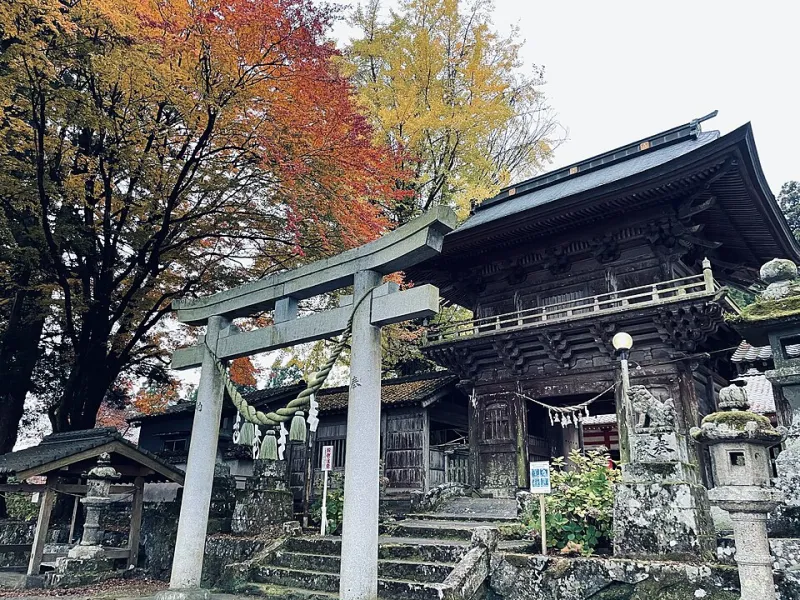
Margaret, a fifty-three-year-old attorney from Portland, Oregon, first visited a small mountain shrine in Nagano Prefecture during what she describes as a deliberately unstructured trip following a difficult professional year. She had no particular interest in Shinto prior to the visit. She was, in her own words, simply walking.
The shrine she encountered was in visible need of repair—several structural elements of the main hall were weathered beyond cosmetic concern, and a handwritten notice near the entrance described an ongoing community fundraising effort. Margaret made a donation that she characterizes as significant relative to her travel budget, though she declines to specify the amount. She left her business card with the shrine's resident priest, expecting nothing.
Three months later, back in Portland, she received a handwritten letter in Japanese—accompanied by a translation provided, she later learned, by a local university student the priest had enlisted for the purpose. The letter described the progress of the restoration, included a photograph of the repaired section of the hall, and offered what translated as a formal expression of gratitude from the kami of the shrine.
"I'm not a religious person," Margaret says carefully. "I don't know what I think about kami. But reading that letter, I understood something about why I'd been so unhappy at work. I'd been doing everything for outcomes I couldn't control and getting nothing back. Here was this priest, writing to a stranger in a foreign language, because it was the right thing to do. No strategy. Just—correctness."
She has since restructured her practice, taking on fewer clients and declining cases that conflict with her values. She returns to the shrine annually.
David's Story: Volunteering at a Festival and Finding a Direction
David, twenty-nine, had been drifting for two years after leaving a graduate program in environmental science when a friend suggested he extend a Japan trip by volunteering at a regional matsuri festival through an informal cultural exchange program. He had no prior shrine experience and, he admits, agreed primarily because the alternative was returning home without a plan.
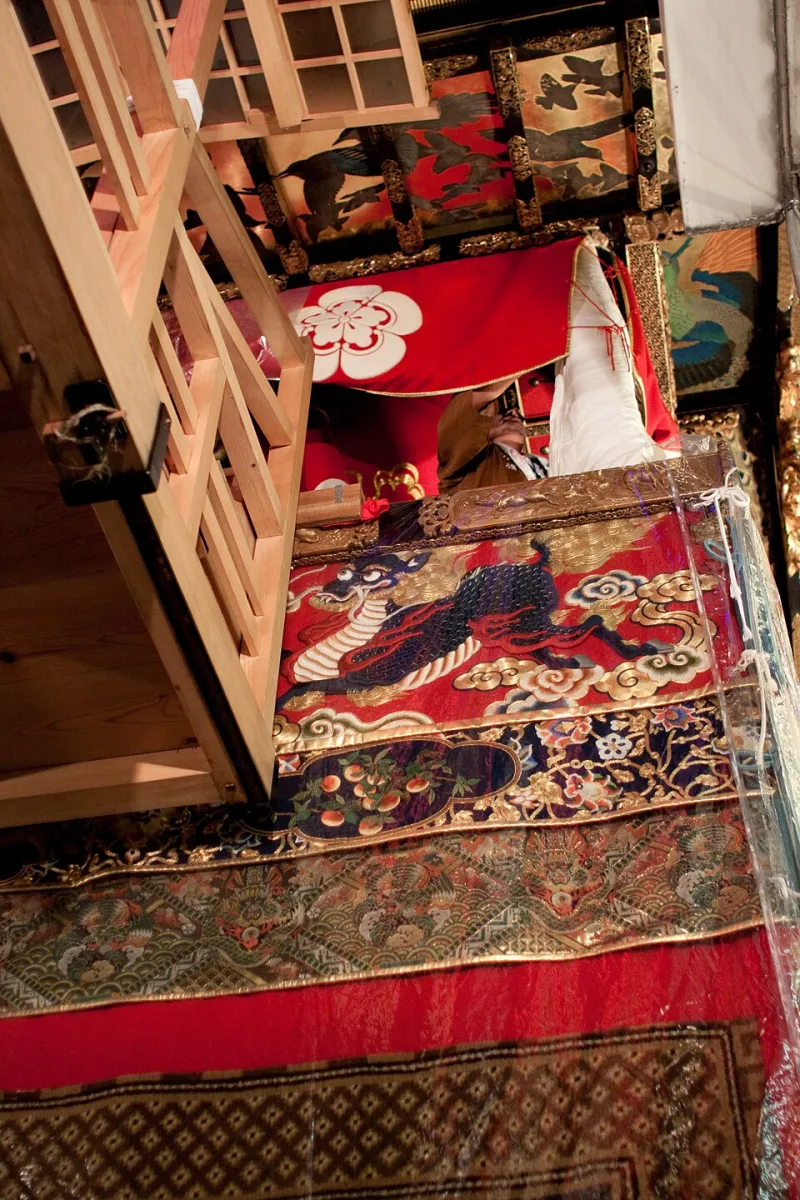
The volunteer role involved three days of physical preparation work: cleaning the shrine precincts, carrying festival equipment, and assisting with the arrangement of mikoshi (portable shrines) for a procession. The work was unglamorous and occasionally strenuous. It was also, he found, surprisingly absorbing.
"There was a quality of attention required," he explains. "Every task had a correct way of being done, and the correct way mattered to the people around me. Not because someone was watching. Because it was correct."
On the final day of the festival, David was included in a brief closing ceremony that he did not fully understand but found unexpectedly moving. He returned to the United States two weeks later and, within four months, had enrolled in a certificate program in conservation landscape design. He credits the shrine experience not with providing an answer, but with restoring his capacity to recognize one when it appeared.
"I'd been waiting for clarity to arrive before I acted," he says. "At the shrine, everyone was just acting—correctly, carefully, without waiting. That was the thing."
The Psychology of Sacred Giving
What underlies these accounts, and others like them? Psychologists who study the intersection of ritual, generosity, and meaning-making offer several relevant frameworks.
Research on what scholars sometimes call "costly signaling" suggests that offerings requiring genuine sacrifice—of money, time, or comfort—generate stronger psychological effects than token gestures, partly because the cost itself signals to the giver the seriousness of their own commitment. When an American traveler makes a meaningful shrine donation, they are not simply giving to an institution. They are, in a measurable psychological sense, declaring something about their own values.
The absence of guaranteed reciprocity is equally significant. Unlike many forms of giving in American culture—charitable donations with tax implications, philanthropic gifts that carry naming rights—shrine offerings are made without contractual return. The kami is not obligated. This structural indifference, paradoxically, tends to sharpen the giver's awareness of their own motivations. What remains when the expectation of return is removed is, in some sense, the giving itself.
Practical Considerations for American Visitors
For those who wish to engage more intentionally with shrine giving during a visit to Japan, several practical points are worth noting.
Research the shrine before visiting. Many established shrines have English-language websites or affiliated cultural organizations that can clarify current needs and appropriate giving forms. Arriving with some knowledge of the shrine's history and current circumstances transforms a donation from a tourist gesture into something more considered.
Consider giving beyond the saisen-bako. Shrine offices (shamusho) at larger shrines can often accommodate direct donations and may be able to communicate specific needs. At smaller rural shrines, inquiring respectfully about community fundraising efforts—and following through after returning home—is both appropriate and, for many shrine communities facing financial pressure, genuinely valuable.
Finally, resist the impulse to frame the giving as a transaction. The most consistently reported element across American travelers' transformative shrine experiences is the moment of releasing expectation—of giving without knowing what, if anything, will follow. That moment is, in some sense, the offering itself.