Off the Beaten Torii: Japan's Most Remarkable Shrines That Have Nothing to Do With Kyoto
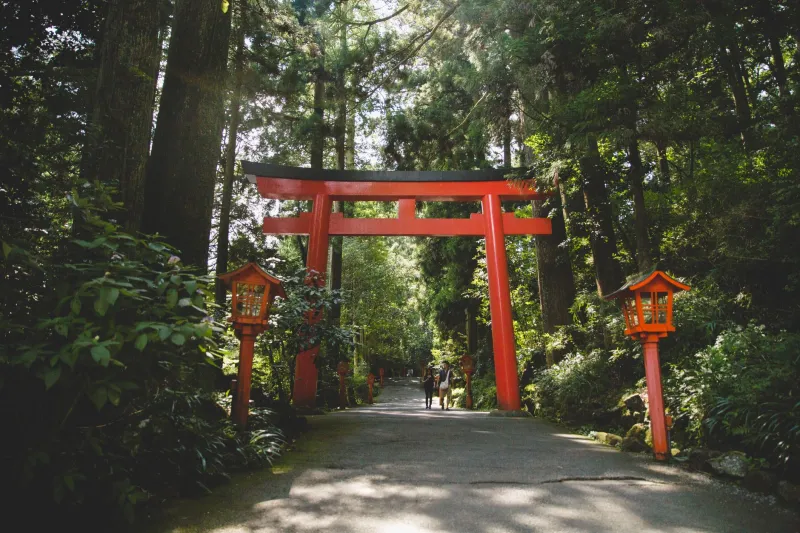
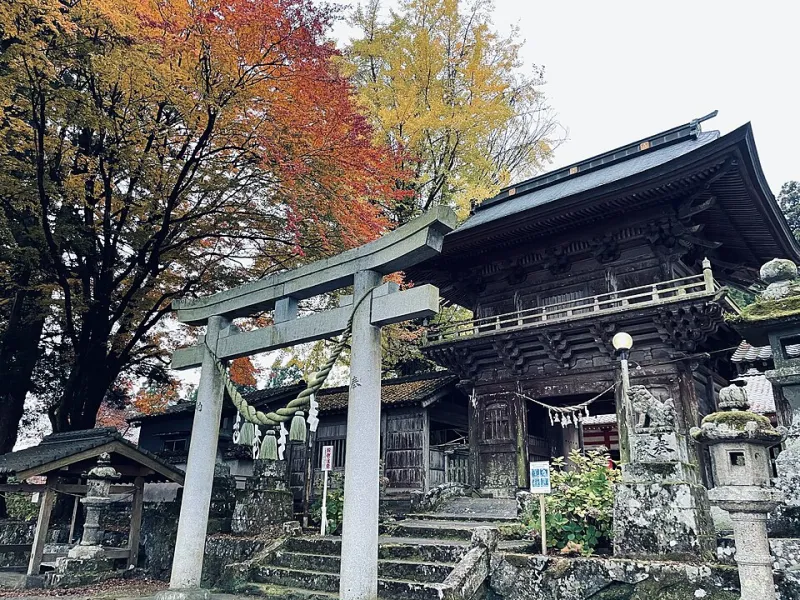
For many American travelers, the word "shrine" conjures a specific image: the vermillion gates of Fushimi Inari, the floating torii of Miyajima, or the grand precincts of Meiji Jingu in Tokyo. These are extraordinary places, without question. But Japan maintains more than 80,000 registered Shinto shrines, and the overwhelming majority of them receive no international attention whatsoever. Embedded in mountain valleys, perched above fishing harbors, and sheltered inside ancient forests, these lesser-known sites often preserve architectural forms, ritual traditions, and spiritual atmospheres that the famous destinations — burdened by tour buses and souvenir stalls — have largely lost.
This guide profiles eight shrines that reward travelers willing to look beyond the standard itinerary. Each one was selected for a specific distinguishing quality: architectural rarity, natural drama, unusual kami dedication, or sheer historical depth. Practical visiting information is included for each, along with context that will help American visitors understand what makes these places genuinely worth the detour.
Kirishima Jingu, Kagoshima Prefecture — Where Mythology Meets Volcanic Landscape
Set against the smoking peaks of the Kirishima mountain range in Kyushu, Kirishima Jingu enshrines Ninigi-no-Mikoto, the deity who, according to Kojiki mythology, descended from the heavens to establish divine rule on earth. The current main hall dates to 1715 and is considered one of the finest examples of Momoyama-influenced shrine architecture in southern Japan. The surrounding landscape — active volcanoes, highland forests, and clear mountain streams — amplifies the sense that this is a place where the boundary between the earthly and the sacred remains genuinely thin. The nearest major airport is Kagoshima, roughly 90 minutes away by bus and local train.
Togakushi Shrine, Nagano Prefecture — A Three-Part Pilgrimage in the Mountains
Nestled deep in the mountains northwest of Nagano City, Togakushi is not a single shrine but a complex of three interconnected precincts — Okusha, Chusha, and Hokosha — spread across several kilometers of forested terrain. The approach to Okusha, lined with towering cedar trees estimated to be more than four centuries old, is among the most visually striking shrine approaches in the entire country. The enshrined kami are associated with the legend of Amaterasu's emergence from the cave, lending the site profound cosmological significance. Plan for a full day and wear sturdy footwear; the path to Okusha involves uneven stone steps and can be icy in winter.
Izanagi Jingu, Awaji Island — The Birthplace of the Japanese Islands
According to Shinto cosmology, the divine couple Izanagi and Izanami stood upon the "floating bridge of heaven" and stirred the primordial ocean to create the Japanese archipelago. Awaji Island, accessible via the Akashi Kaikyo Bridge from Kobe, is traditionally identified as the first land they created, and Izanagi Jingu honors the male deity of that pairing. The shrine is modest in scale but extraordinary in mythological weight — few places in Japan carry a creation narrative this foundational. It is often uncrowded on weekdays, allowing for unhurried reflection in a setting that feels genuinely ancient.
Kumano Hayatama Taisha, Wakayama Prefecture — The Living Heart of Kumano
Most visitors who travel the Kumano Kodo pilgrimage route focus on Hongu Taisha, the most famous of the three Kumano Grand Shrines. Hayatama Taisha, located at the mouth of the Kumano River in Shingu City, receives far fewer international visitors despite enshrining a different and equally significant set of kami. A sacred nagi tree on the grounds is believed to be approximately 1,000 years old. The shrine's treasure house contains remarkable artifacts, including a lacquered portable shrine and ritual implements dating to the Heian period. Shingu is accessible by the Kisei Line from Osaka in approximately three hours.
Izumo Taisha, Shimane Prefecture — Japan's Oldest Active Shrine
Izumo Taisha is not entirely unknown, but it remains dramatically undervisited by American travelers compared to its cultural stature. Dedicated to Okuninushi-no-Mikoto, the kami of relationships and nation-building, it is widely considered the oldest continuously active shrine in Japan, with origins that predate written records. The main hall, rebuilt in its current form in 1744, follows the taisha-zukuri architectural style — one of the oldest documented shrine building traditions — and reaches a height of approximately 24 meters. Every October by the traditional lunar calendar, the kami of Japan are said to gather here, making the region simultaneously the most spiritually concentrated and the most kami-depleted place in the country. Izumo is best reached via the Yakumo limited express from Matsue.
Woshima Shrine, Niigata Prefecture — A Coastal Sacred Site of Quiet Power
On the rugged coastline of Sado Island in the Sea of Japan, small shrines cling to rocky outcroppings above the surf with a tenacity that seems almost devotional in itself. Among these, the coastal shrines of the Sado interior — particularly those associated with noh drama history and the island's tradition of exile culture — offer a profoundly different register of sacred encounter. The journey to Sado requires a ferry from Niigata Port, which itself becomes part of the pilgrimage. This is shrine travel at its most elemental: wind, salt, stone, and kami.
Yutoku Inari Shrine, Saga Prefecture — Japan's Third Largest Inari Shrine
Fushimi Inari in Kyoto and Kasama Inari in Ibaraki tend to dominate discussions of Japan's great Inari shrines. Yutoku Inari in Kashima City, Saga Prefecture, is officially recognized as the third largest in the country, yet it remains almost entirely absent from English-language travel guides. Built across a hillside in 1687, the main hall is supported by wooden pillars above a steep ravine in a style reminiscent of Kyoto's Kiyomizudera. The lacquerwork throughout the complex is exceptional. Kashima is accessible by bus from Hakata Station in Fukuoka in roughly 90 minutes.
Suwa Taisha, Nagano Prefecture — The Oldest Shrine Complex in Japan
Supported by archaeological and textual evidence placing its origins in the prehistoric period, Suwa Taisha may be the oldest shrine complex in Japan. Unlike most shrines, it has no permanent object of worship in the conventional sense — the kami Takeminakata is understood to be present within the sacred precinct itself, embodied in the land. The complex comprises four separate precincts around Lake Suwa, each with distinct architectural and ritual characteristics. Every seven years, the Onbashira festival — in which massive fir logs are hauled down mountainsides and raised at each precinct — draws enormous crowds and represents one of Japan's most ancient and physically dramatic ritual traditions. Suwa is approximately two hours from Shinjuku on the Chuo Line.
Planning Your Off-Circuit Shrine Journey
Traveling to these sites requires more logistical preparation than a standard Kyoto itinerary, but the infrastructure for independent travel throughout Japan remains exceptional by global standards. The Japan Rail Pass covers the majority of intercity journeys described above, and regional bus networks serve most shrine approaches. Google Maps in Japan is reliable and typically includes walking paths to shrine entrances.
For American travelers accustomed to destination tourism, the shift in mindset required for this kind of shrine travel is itself part of the value. When a site has not been optimized for international visitors, the encounter with it tends to be more reciprocal — you must bring attention and intention rather than simply showing up. That quality of engagement is, in many respects, the spirit of Shinto practice itself.
The shrines catalogued here are not consolation prizes for travelers who missed Fushimi Inari. They are, in their own right, among the most significant sacred sites in East Asia. The crowds simply haven't caught up yet.