The Red-Stamped Passport to Japan's Sacred World: A Beginner's Guide to Goshuincho Collecting
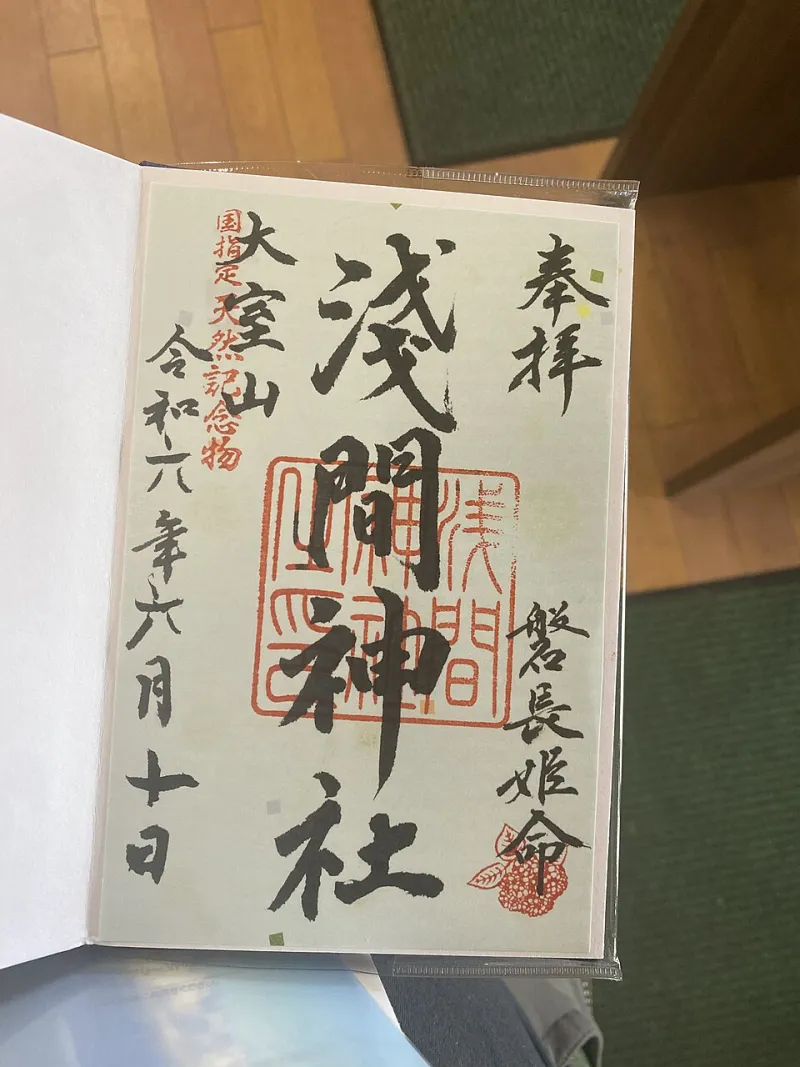
Photo: Immanuelle, CC BY 4.0, via Wikimedia Commons
There is a particular moment that many American visitors to Japanese shrines describe with striking consistency: standing at a small wooden window near the shrine office, watching a priest or shrine attendant dip a brush into ink and begin writing in swift, fluid strokes across a page of accordion-folded paper. The red stamp lands with a satisfying weight. The calligraphy—recording the shrine's name, the deity enshrined, and the date of your visit—is unlike anything printed or mass-produced. It is, in every sense, made for you, in this place, at this moment.
This is goshuin—a sacred seal—and the book in which it is recorded is your goshuincho. What began as a practice rooted in Buddhist and Shinto devotional traditions has, over the past decade, become one of the most quietly transformative ways that Western visitors engage with Japan's spiritual landscape.
What Is Goshuincho, and Where Did It Come From?
The word goshuincho (御朱印帳) translates roughly as "honorable red-seal book." The go prefix signals reverence; shuin refers to the vermillion stamp bearing the shrine's official seal; cho simply means book or notebook. Together, they describe a dedicated volume—typically accordion-folded, with thick, high-quality washi paper—specifically designed to receive these hand-inscribed records.
The practice has roots that stretch back to the Edo period (1603–1868), when pilgrims traveling sacred routes would receive written acknowledgment of their visit at each shrine or temple along the way. Originally, these records functioned as proof of pilgrimage completion, carrying genuine religious significance within both Shinto and Buddhist contexts. Over time, the tradition evolved into something broader: a personal record of spiritual engagement, maintained by devoted practitioners and casual visitors alike.
In contemporary Japan, goshuincho collecting has experienced a pronounced resurgence, particularly among younger Japanese travelers who find in it a tangible, unhurried counterpoint to digital culture. The practice has spread internationally with remarkable speed, and American visitors now represent one of the most visible communities of new collectors.
Why Western Visitors Are Drawn to the Practice
For many Americans encountering goshuincho for the first time, the appeal is immediate and intuitive. In a country where so much of the tourist experience can feel passive—observing, photographing, moving on—the goshuin visit requires genuine participation. You must approach the shrine office, communicate your request respectfully (even if in halting Japanese), wait as the seal is prepared, and receive it with both hands as a matter of proper etiquette. The entire sequence is a small, structured act of cultural engagement.
Beyond the ritual of acquisition, the goshuincho serves as a deeply personal travel document. Unlike a photograph, which captures a visual moment, a goshuin records an intentional act: you were here, you paid your respects, you participated in a living tradition. Many collectors describe flipping through a completed goshuincho as an experience qualitatively different from scrolling through travel photos—each page activates a specific memory of a specific place and the people encountered there.
There is also, frankly, an aesthetic dimension that resonates strongly with American design sensibilities. Goshuincho books are beautiful objects: the calligraphy varies from shrine to shrine and practitioner to practitioner, the red stamps range from simple circles to elaborate pictorial designs, and the cumulative effect of a well-traveled book is visually arresting in a way that no printed souvenir can replicate.
Choosing Your First Goshuincho
The first practical decision every new collector faces is selecting a book. Goshuincho are sold at most major shrines and at specialty stationery shops throughout Japan; they are also available through US-based importers and online retailers if you prefer to arrive prepared.
Shrine-sold goshuincho frequently feature the specific shrine's design on the cover—an elegant way to commemorate your first significant visit—while general-purpose books from stationery shops offer more neutral designs suited to collecting across many different sites. Paper quality matters considerably: look for thick, sized washi that will not bleed when brushed with ink.
A practical note for American travelers: purchase a dedicated goshuincho rather than attempting to use a general journal or notebook. Shrine offices will occasionally decline to inscribe a book that is not a proper goshuincho, and the accordion-fold format is specifically designed to allow pages to lie flat and dry without smearing.
Etiquette and Protocol at the Shrine Office
Approaching the shamusho (shrine office) or jusha (shrine store) for a goshuin is a straightforward process, but a few points of etiquette will ensure the interaction is respectful and smooth.
Begin by completing your visit to the shrine properly—purifying your hands at the temizuya (water pavilion), bowing at the main hall, and offering a small donation at the saisen-bako (offering box). Requesting a goshuin before engaging with the shrine itself inverts the intended order and is considered poor form.
At the office window, hold your goshuincho open to the desired page and present it with both hands. The standard phrase is simply goshuin wo onegaishimasu (御朱印をお願いします)—"I would like a goshuin, please." The fee is typically between 300 and 500 yen (roughly $2–$4 USD), paid after the seal is completed. Receive the finished book with both hands and a bow of acknowledgment.
Some shrines—particularly smaller, less-staffed jinja in rural areas—do not offer goshuin every day, or may require advance notice. Checking a shrine's official website or a reliable shrine database before visiting will prevent disappointment.
Building a Collection with Intention
Goshuincho collecting, at its most meaningful, is not a completionist exercise. The goal is not to accumulate the maximum number of seals in the shortest possible time—an approach that reduces the practice to a checklist and misses its essential character entirely. Rather, the goshuincho tradition rewards a slower, more deliberate mode of travel.
Consider organizing your collection thematically: shrines dedicated to a specific deity, jinja along a historic pilgrimage route such as the Kumano Kodo, or sacred sites within a single prefecture explored across multiple visits. This kind of intentional structure transforms the goshuincho from a random accumulation into a coherent personal narrative.
Many experienced collectors maintain separate books for different regions or journey types, preserving the integrity of each travel story. Others dedicate one book exclusively to shrines and another to Buddhist temples, which have their own parallel seal tradition. The choices are yours to make, and that creative latitude is part of what makes the practice so enduringly engaging.
A Living Bridge Between Cultures
Perhaps the most remarkable aspect of goshuincho collecting among Western visitors is what it generates beyond the book itself. Shrine attendants and priests frequently express genuine warmth toward foreign collectors—surprise, often, that an American visitor would know the tradition at all, followed by something closer to delight. Conversations begin. Questions are asked and answered. Brief but real connections form across significant cultural distance.
In this sense, the goshuincho functions as more than a travel record. It is a signal of seriousness, a demonstration that you have come not merely to observe but to participate—however modestly—in something that has mattered to Japanese communities for centuries. That signal, offered respectfully, is received.