Small Towns, Sacred Grounds: How Shrine Tourism Is Breathing New Life Into Rural Japan
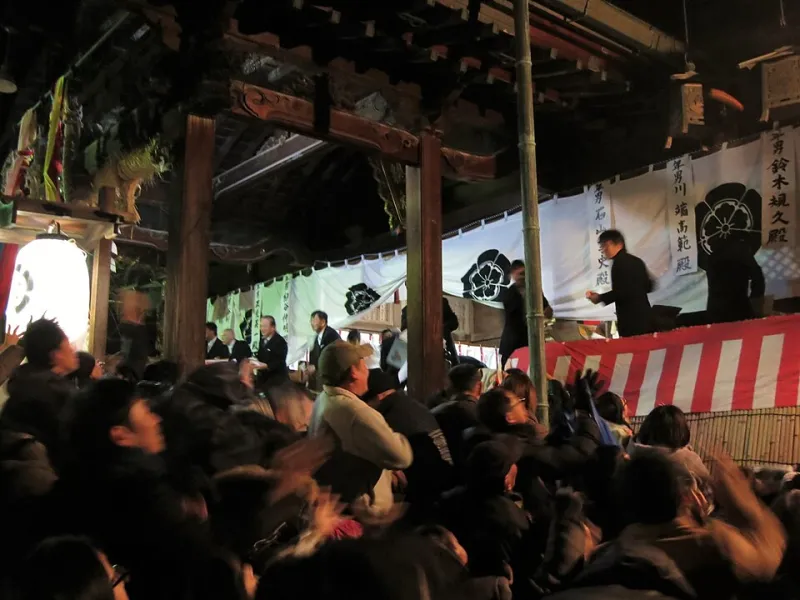
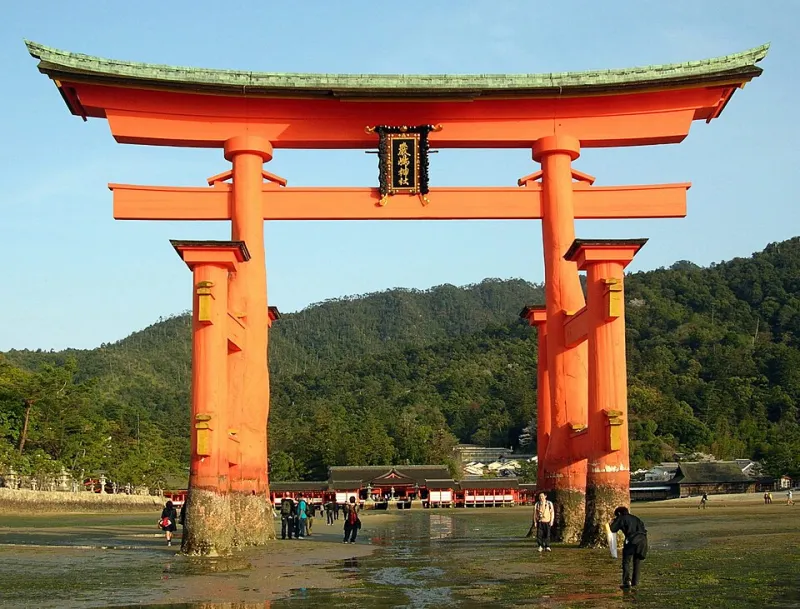
Photo: Gpwitteveen, CC BY-SA 4.0, via Wikimedia Commons
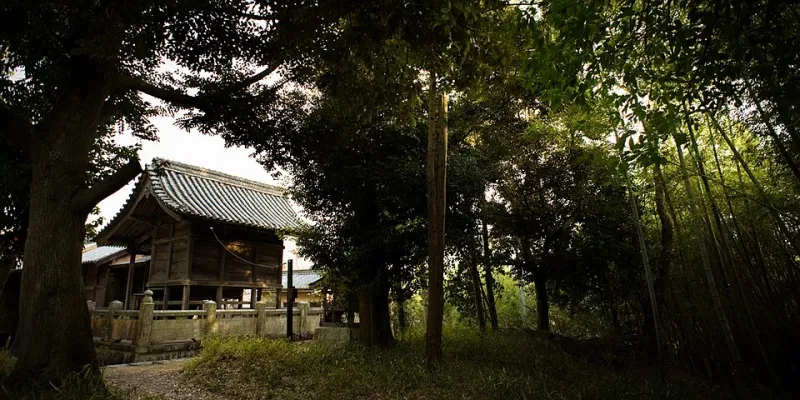
Drive an hour outside Kyoto, or venture into the cedar-draped mountains of Shimane Prefecture, and you will encounter a Japan that rarely appears on travel influencer feeds. Aging storefronts, quiet train platforms, and a demographic reality that has been decades in the making: young residents leaving for cities, leaving behind villages where the oldest institution still standing is often the local shrine. Yet something is shifting. The same ancient torii gates that have marked sacred boundaries for centuries are now marking the entrance points to an unexpected economic revival—one that American visitors are actively shaping.
The Demographic Crisis Behind the Spiritual Destination
Japan's rural depopulation is not a new story. Since the postwar economic boom concentrated opportunity in urban centers, thousands of rural municipalities have watched their populations shrink. The Japanese government classifies many of these areas as kaso chiiki—depopulated zones—where tax revenue has fallen, schools have closed, and local businesses have shuttered. What makes the current moment distinct is the role that cultural tourism, and shrine pilgrimage specifically, is playing as a partial counterweight to these pressures.
Shrines are, by their nature, immovable. A grand jinja consecrated to a mountain deity cannot relocate to Osaka for better foot traffic. This geographic permanence, long considered a vulnerability in economic terms, has become a quiet competitive advantage. Visitors must come to the shrine—and when they do, they pass through communities that have begun, carefully and creatively, to welcome them.
Local Economies Rebuilt Around Sacred Sites
In prefectures like Yamaguchi, Tottori, and Iwate, local governments and shrine administrations have collaborated on what tourism planners call bunka kanko (cultural tourism) initiatives. These efforts connect the spiritual draw of major shrines with surrounding small businesses: family-run minshuku guesthouses, artisan workshops producing shrine-related crafts, restaurants serving regional cuisine that pilgrims once ate on the road centuries ago.
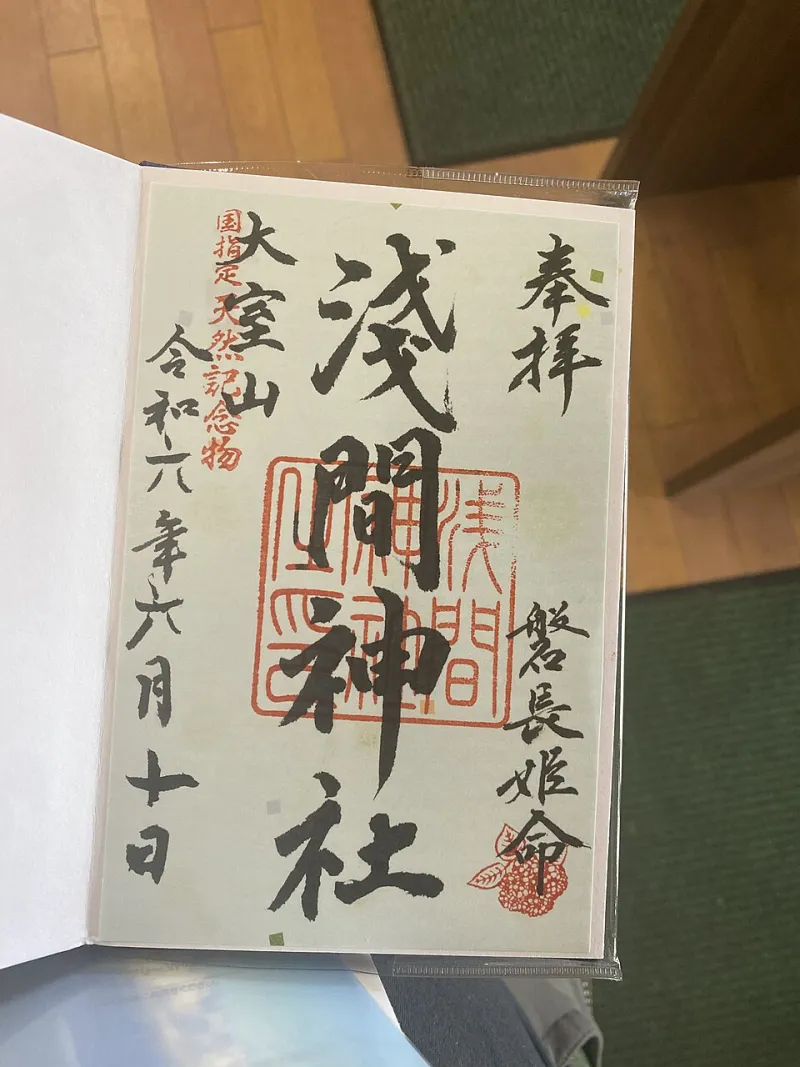
The ripple effects are tangible. A ryokan owner in a town adjacent to a well-visited jinja in rural Mie Prefecture described a near-doubling of weekend bookings over the past five years, attributing much of the growth to international visitors—Americans among the most prominent—who schedule multi-day stays to explore the broader region rather than simply ticking off a single shrine. A calligrapher who provides goshuin (sacred seal inscriptions) at a small shrine in Nagano noted that demand from foreign visitors had created a sustainable income stream that allowed him to train an apprentice for the first time in over a decade.
These are not isolated anecdotes. A 2023 report from Japan's Agency for Cultural Affairs identified shrine and temple tourism as one of the highest-impact drivers of regional economic activity in non-urban prefectures, outperforming ski resorts and coastal tourism in several mountainous inland areas.
The American Traveler's Emerging Role
For US visitors, the relationship with rural shrine tourism often begins with a desire for authenticity. After cycling through Tokyo's major attractions, many American travelers describe a pull toward something less mediated—experiences that feel genuinely connected to living culture rather than curated for mass consumption. Japan's rural shrines deliver precisely that, and word has spread through travel communities, social media, and publications like this one.
What is less often discussed is the purchasing power differential that American visitors bring to these encounters. A modest entry donation, a purchased omamori (protective charm), a meal at a local restaurant, and a night at a family guesthouse collectively represent a significant economic contribution to a community where the average monthly income is substantially lower than in Tokyo or Osaka. Conscious spending—choosing locally owned accommodations over chain hotels, buying crafts directly from shrine-affiliated artisans, hiring local guides—multiplies this impact considerably.
Several rural shrine towns have begun producing English-language materials specifically to help international visitors navigate these opportunities, a development that would have been unimaginable in most of these communities a generation ago.
The Shadow Side: Overtourism and Cultural Commodification
No honest examination of sacred tourism can ignore the complications. The same visibility that has helped revitalize some communities has overwhelmed others. Fushimi Inari Taisha in Kyoto, with its iconic vermillion torii corridors, now receives millions of visitors annually—a volume that has strained infrastructure, altered the character of surrounding neighborhoods, and created genuine tension between the shrine's spiritual functions and its status as a photographic landmark.
The commodification concern runs deeper than crowds. When shrine rituals, sacred objects, and spiritual practices are packaged primarily as entertainment or aesthetic experience for outside visitors, something essential can be lost. Shrine priests and Shinto scholars have raised measured but serious questions about how international tourism reshapes the community relationships that have historically sustained jinja culture. A shrine that once served as the spiritual center of a farming village operates within a very different set of social obligations than one that has become a destination brand.
Cultural sensitivity is not merely a matter of following posted etiquette rules—though those matter enormously. It involves recognizing that you are entering a space that belongs, in the most meaningful sense, to the community that has maintained it across generations.
Traveling as a Conscious Participant
For American visitors who want to engage with rural shrine tourism in a way that genuinely supports the communities they visit, a few principles are worth internalizing.
First, distribute your visits. Beyond the famous shrines that appear on every itinerary, Japan's countryside contains thousands of smaller, less-visited jinja that would benefit enormously from even modest visitor attention. Research regional shrines before your trip; your presence at a small mountain shrine in Akita or a coastal jinja in Kochi carries far more proportional weight than another visitor at an already-crowded Kyoto landmark.
Second, spend locally and intentionally. Accommodation, food, transportation, and souvenirs purchased within the shrine community—rather than booked through international platforms or purchased at airport shops—keep economic benefit where it is most needed.
Third, engage with humility. Learning even basic Japanese phrases, asking permission before photographing, and observing how local worshippers conduct themselves at the shrine signal respect that is noticed and appreciated far more than most foreign visitors realize.
The sacred and the economic have never been entirely separate in Japanese shrine culture. Historically, major jinja served as commercial hubs as well as spiritual centers, and the prosperity of the surrounding community was understood as a reflection of divine favor. What is happening today—the gradual reweaving of shrine life into a viable rural economy, with international visitors as unexpected threads in that fabric—is perhaps less a disruption of tradition than a continuation of it, carried forward in a form that no one entirely predicted.