Where Ancient Ritual Meets Modern Wellness: The Science Behind Shrine Visits
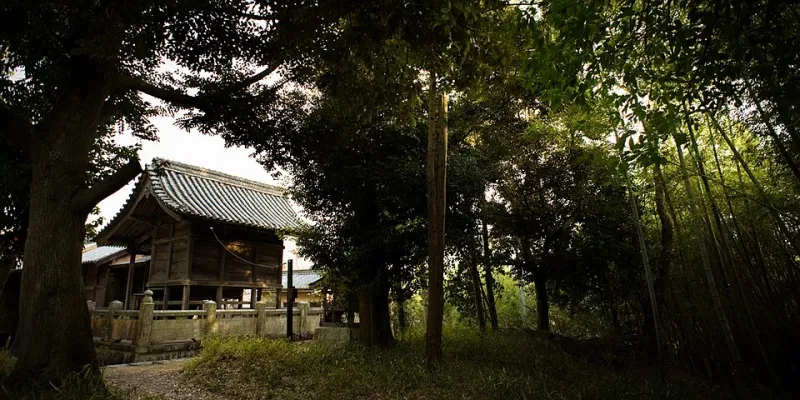
Photo: Mstyslav Chernov/Unframe/unframe.com, CC BY-SA 3.0, via Wikimedia Commons
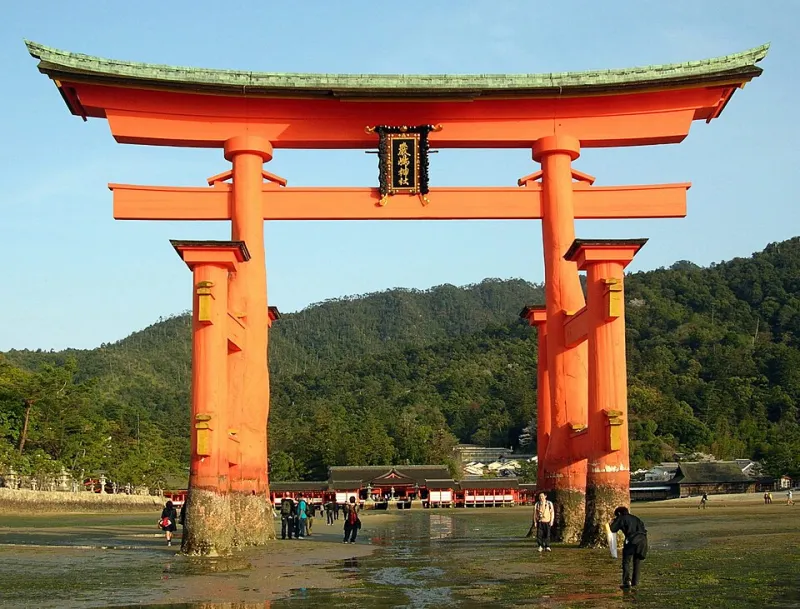
For generations, Japanese people have sought solace at the torii gate—that distinctive vermilion threshold marking the entrance to a Shinto shrine. Whether offering a quiet prayer at dawn or participating in a seasonal matsuri, the act of visiting a jinja has long been understood in Japan as restorative for the spirit. Now, a growing body of scientific research is beginning to validate what practitioners have known for centuries: time spent within sacred shrine precincts appears to produce measurable, positive effects on human physiology and psychology.
For American travelers planning a journey to Japan, this convergence of spirituality and science offers a compelling reason to move shrines from a box to check on the itinerary to a centerpiece of the entire trip.
What Researchers Are Actually Finding
Much of the foundational science in this area draws from the broader field of environmental psychology and, more specifically, from Japanese research into shinrin-yoku—commonly translated as "forest bathing." Studies conducted by institutions including Chiba University and Nippon Medical School have documented that time spent in forested natural environments measurably lowers cortisol levels, reduces heart rate, and suppresses activity in the prefrontal cortex associated with rumination. Crucially, the majority of Japan's most significant Shinto shrines—Fushimi Inari in Kyoto, Meiji Jingu in Tokyo, Ise Jingu in Mie Prefecture—are deliberately situated within or adjacent to ancient groves. The sacred forest, known as chinju no mori, is not incidental to the shrine; it is considered inseparable from it.
Dr. Qing Li, one of the world's foremost researchers on forest medicine and author of the widely read book Forest Bathing, has noted that phytoncides—volatile organic compounds emitted by trees—appear to increase natural killer cell activity in the human immune system. A walk along a shrine's forested approach, the sandō, may therefore function as more than a meditative preamble. It may constitute a form of low-intensity immunological support.
Beyond the forest itself, neuroscientists studying ritual behavior have observed that repetitive, structured actions—such as the two bows, two claps, and one bow sequence (ni-rei ni-hakushu ichi-rei) performed before a shrine's main hall—can activate the parasympathetic nervous system. This is the branch of the autonomic nervous system responsible for the body's "rest and digest" response, the physiological counterweight to stress. Dr. Andrew Newberg of Thomas Jefferson University, whose work on neurotheology examines how spiritual practices alter brain function, has documented similar patterns across diverse religious traditions: structured ritual creates neurological conditions conducive to calm and focused attention.
The Role of Intentionality and Awe
Psychologists Dacher Keltner and Jonathan Haidt, whose research on the emotion of awe has attracted considerable attention in American academic and popular circles, have argued that experiences of vastness—whether physical, conceptual, or spiritual—reliably produce feelings of self-transcendence and reduced self-focused anxiety. Standing before the 1,500-year-old cryptomeria cedar trees of Nikko Tosho-gu, or gazing up at the towering shimenawa rope at Izumo Taisha, many visitors report precisely this quality of awe: a sense of personal smallness that paradoxically feels liberating rather than diminishing.
For international visitors, the unfamiliarity of the environment may actually amplify these effects. Research on "cognitive novelty" suggests that encountering genuinely new cultural contexts increases attentional engagement and temporarily suspends habitual patterns of thought—a mental state not unlike mindfulness meditation. American visitors, arriving without the cultural autopilot that a Japanese worshipper might apply, may in fact be unusually well-positioned to experience a shrine's environment with heightened presence.
Spiritual Practitioners Weigh In
It would be reductive to frame the healing dimensions of shrine visits purely in clinical terms. Shinto priests, known as kannagi or shinshoku, understand the shrine precincts as charged with the presence of kami—divine spirits that inhabit natural features, ancestral figures, and the living world at large. From this perspective, the therapeutic benefit of a shrine visit is not merely a byproduct of trees and ritual structure; it is a direct consequence of entering into relationship with the sacred.
Several priests at major shrines that accommodate international visitors have noted in interviews that foreign guests often arrive carrying significant stress—jet lag, unfamiliar surroundings, the accumulated fatigue of modern professional life. The act of pausing, purifying one's hands at the temizuya fountain, and approaching the haiden (worship hall) with sincere attention is, in the Shinto understanding, an act of harae: a purification that clears spiritual and emotional accumulation. Whether one interprets this theologically or psychologically, the functional outcome described by practitioners and researchers converges on the same point: something is released.
Practical Guidance for American Visitors Seeking Therapeutic Benefits
If you are traveling to Japan with an intention toward wellness, the following considerations may help you engage more deeply with shrine environments.
Arrive early. The meditative quality of a shrine is most accessible in the early morning hours, before tour groups arrive and ambient noise increases. Meiji Jingu in Tokyo, for instance, receives millions of visitors annually, but its forested approach at dawn offers a genuine sense of stillness.
Walk the entire sandō. Resist the urge to photograph the torii gate and immediately proceed to the main hall. The approach path is itself a designed transition—a gradual shift from the profane to the sacred—and moving through it slowly, without a phone in hand, allows the environmental and neurological effects described above to accumulate.
Participate in temizuya purification. The ritual hand-washing at the purification fountain is not merely ceremonial. The deliberate, sequential act of cleansing—left hand, right hand, mouth, handle—functions as a behavioral cue that signals transition. Psychologically, it is a form of context-setting that prepares the mind for a different quality of attention.
Allow silence. Shinto shrines are not silent places in the way that, say, a Buddhist meditation hall might be. But seeking moments of stillness within the precincts—sitting on a stone bench beneath the trees, or pausing before a smaller secondary shrine—allows the nervous system time to register and respond to the environment.
Consider multiple visits. Research on stress reduction consistently shows that sustained, repeated exposure to restorative environments produces more durable benefits than a single visit. If your itinerary permits, returning to the same shrine on consecutive mornings may deepen the experience considerably.
A Different Kind of Itinerary
Japan's tourism infrastructure is well-developed, and the temptation to move quickly from one celebrated site to the next is understandable. But the science of shrine wellness, and the spiritual logic of Shinto itself, both suggest that depth matters more than breadth. A single shrine, visited with genuine attention and proper etiquette, may offer something that ten shrines photographed in passing cannot.
For American travelers accustomed to optimizing their itineraries, this may be the most counterintuitive—and most valuable—lesson Japan's sacred sites have to offer.