Ten Shrine Etiquette Missteps US Visitors Make—and the Simple Ways to Correct Them

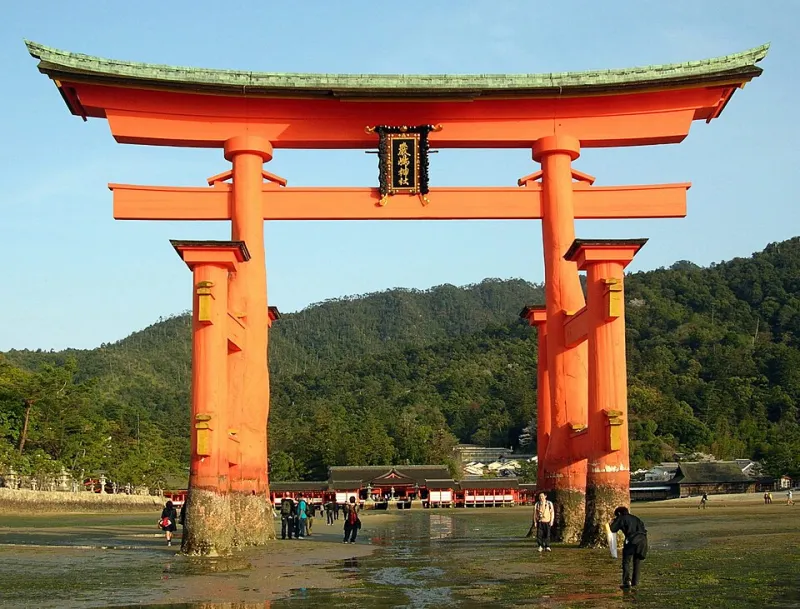
Photo: Lvklock, CC BY-SA 4.0, via Wikimedia Commons
There is a particular kind of traveler who arrives at a Shinto shrine, smartphone raised, and proceeds to duck under the rope cordoning off a sacred tree for a better angle. There is another who strides through the center of the torii gate without a second thought, or who tosses a coin into the offertory box and immediately turns away before completing the proper sequence of bows and claps. These visitors are not malicious. They are, almost universally, simply uninformed.
Shinto shrines are active places of worship, not open-air museums. Understanding the behavioral expectations within a jinja is not merely a matter of politeness—it is a form of cultural literacy that transforms a tourist visit into something genuinely meaningful. The following ten points address the errors most commonly observed among American visitors, along with the cultural reasoning that makes each guideline worth honoring.
1. Walking Through the Center of the Torii Gate
The torii—that iconic gate marking the boundary between the ordinary world and sacred space—is not simply decorative architecture. It is understood in Shinto tradition as the threshold through which kami (divine spirits) pass. The center of the path through a torii, and indeed the center of the entire sandō (approach path), is reserved for the kami's passage. Walking directly down the middle is considered presumptuous, akin to occupying the seat of honor uninvited.
The correction: Step to one side as you pass beneath the torii, and maintain that offset as you walk the approach path. Upon leaving, step aside again before passing back through.
2. Skipping the Temizuya (Purification Fountain)
Many visitors spot the stone water basin near the shrine entrance, glance at it curiously, and walk straight past it toward the main hall. This is one of the most consistent oversights. The temizuya is not a decorative feature or a drinking fountain—it is a ritual purification station, and using it properly signals that you are entering the sacred precincts with a cleansed spirit as well as clean hands.
The correct sequence: Using the provided ladle, pour water over your left hand, then your right. Then pour water into your left palm and rinse your mouth (spit discreetly to the side, not back into the basin). Finally, hold the ladle vertically so that remaining water runs down the handle, and return it. Do not drink directly from the ladle or the basin.
3. Photographing the Inner Sanctum and Sacred Objects
American visitors accustomed to the relative openness of churches, museums, and national parks sometimes assume that anything visible is fair game for photography. At a Shinto shrine, this assumption requires significant qualification. The honden (main sanctuary housing the kami's shintai, or sacred object) is almost always off-limits to photography, as are many secondary structures and ritual items. Signs are not always posted in English.
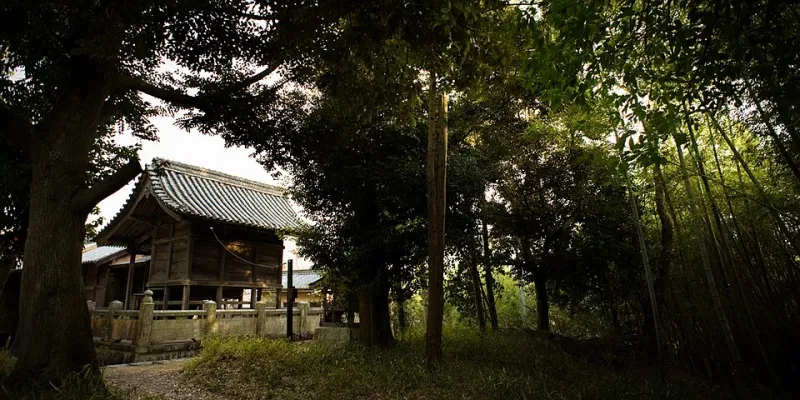
The correction: Photograph the torii, the forested approach, and the general atmosphere freely—these are typically unproblematic. Before pointing your camera at anything within the inner precincts, look for posted restrictions and exercise conservative judgment. If you are uncertain, put the phone away. The memory of a genuinely experienced moment often outlasts a photograph.
4. Tossing the Offertory Coin Casually
The saisen (offertory box) receives coins from worshippers as a gesture of offering to the kami. The act is meant to be intentional and respectful. Visitors who flip coins into the box like they are making a wish at a shopping mall fountain—sometimes aiming for distance or trick shots—have fundamentally misread the situation.
The correction: Approach the saisen-bako calmly. Gently toss or drop a coin (five-yen coins, go-en, are considered auspicious due to a homophone meaning "good connection"). There is no required denomination, and larger is not more respectful. The coin is a symbol of sincerity, not a transaction.
5. Performing the Bow-and-Clap Sequence Incorrectly—or Not at All
After making an offering, the standard form of worship at most shrines involves two deep bows, two sharp claps, a moment of prayer or silent intention, and a final single bow. This sequence—ni-rei ni-hakushu ichi-rei—is not arcane ceremony; it is the established form of greeting and communicating with the kami. Many visitors simply stand before the hall awkwardly, unsure what to do, and then walk away.
The correction: Follow the sequence above. Bow deeply from the waist (not a quick nod), clap clearly with your hands aligned, hold the clapped position briefly as you offer your thoughts or intention, and complete with a final bow. Local worshippers will not be offended by a foreigner performing this sequence imperfectly—they will be moved by the effort.
6. Treating the Shrine as a Photo Backdrop for Fashion Content
This one requires some directness. Social media has produced a category of shrine visit in which the sacred architecture functions purely as aesthetic scenery for personal branding. Extended posing sessions in front of shrine gates, treating worshippers as incidental background elements, and staging elaborate photographs during active ceremonies are all behaviors that local communities find genuinely disruptive and disrespectful.
The correction: Take your photographs mindfully and efficiently. Step out of the way of worshippers. If a ceremony is in progress, put the camera away entirely and observe. The privilege of witnessing active Shinto ritual is worth more than any content.
7. Entering Areas Marked Off-Limits
Roped-off areas, closed gates, and paper shide zigzag decorations marking restricted zones are all clear indicators that a space is not open to general visitors. The curiosity that leads a traveler to duck under a rope for a better look at a sacred tree or stone is understandable, but it reflects a failure to recognize that these boundaries are spiritually, not merely administratively, meaningful.
The correction: Treat every rope, barrier, and closed gate as an absolute boundary. The restricted areas are often the most sacred within the precincts, and their inaccessibility is itself part of their significance.
8. Arriving Loud and Departing Quickly
Shrines are not theme parks with admission-justified noise levels. Loud conversation, boisterous laughter at the expense of the surroundings, and the general energy of a group tour charging through a sacred space all register as jarring to local worshippers seeking quiet communion.
The correction: Lower your voice upon passing through the torii. Move at a considered pace. Even if you have limited time, resist the impulse to rush. The quality of a brief, attentive visit far exceeds that of an extended but inattentive one.
9. Misunderstanding Omamori and Ema
Omamori (protective charms) and ema (wooden wishing plaques) are sacred objects, not souvenirs. Some visitors purchase omamori as novelty items or gifts without understanding their spiritual function, while others write messages on ema that are joking or inappropriate. Both items are considered to carry genuine spiritual significance.
The correction: Purchase omamori with the intention for which they are designed—safe travel, good health, academic success—and treat them with corresponding care. Write on ema only what you would genuinely wish for, and with sincerity.
10. Assuming All Shrines Operate Identically
Japan has over 80,000 registered Shinto shrines, and while common protocols apply broadly, individual shrines may have specific customs, restricted areas, or ceremonial schedules that differ from others. Assuming that the etiquette learned at Fushimi Inari fully prepares you for Izumo Taisha is a mistake.
The correction: Research each shrine before your visit. The shrine's official website, if available in English, will often outline specific visitor guidelines. When in doubt, observe what local worshippers are doing and follow their lead. Attentiveness is itself a form of respect.
None of the above guidelines are designed to intimidate or exclude foreign visitors. Shinto tradition has always been characterized by a spirit of hospitality toward those who approach with genuine respect. The goal of this guide is simply to equip American travelers with enough cultural fluency to honor that spirit—and to experience Japan's sacred shrines as the living, breathing places of worship they truly are.