Month by Month at Japan's Sacred Shrines: A Season-by-Season Planning Guide for American Travelers
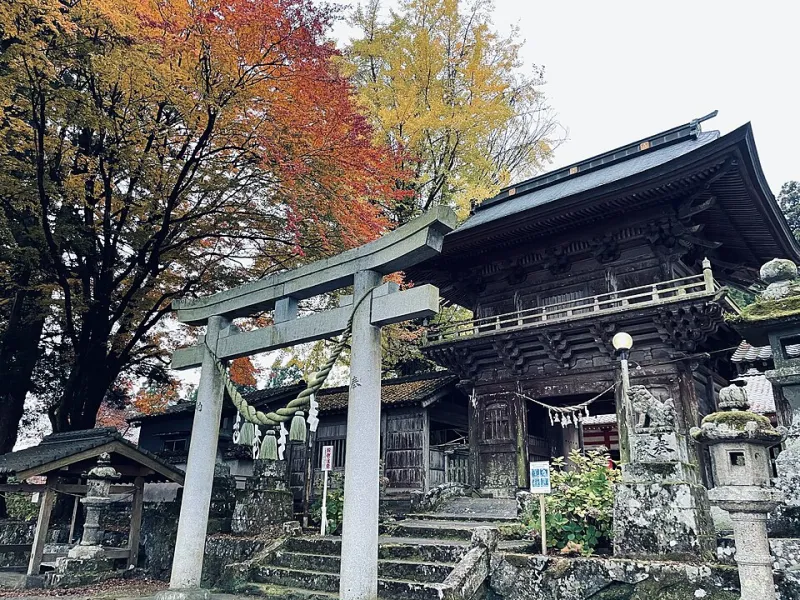
Photo: Superjulior, CC BY-SA 4.0, via Wikimedia Commons
Japan rewards travelers who plan with precision, and nowhere is this more true than at the country's Shinto shrines. The same stone pathway that feels hushed and contemplative in February can become a slow-moving human traffic jam in late March. The hillside shrine that draws modest crowds in October transforms into one of the most visually stunning environments on earth by mid-November. Knowing the difference—and planning accordingly—is the single most important variable in the quality of your shrine experience.
This guide is organized month by month, covering natural spectacles, ceremonial events, crowd forecasts, and the specific types of visitors each season tends to attract. Use it as a planning framework, not a rigid itinerary.
January: New Year Crowds and Ancient Ritual
The first three days of January represent the single busiest period in the entire Japanese shrine calendar. Hatsumōde—the first shrine visit of the New Year—draws tens of millions of worshippers nationwide. Major shrines such as Meiji Jingū in Tokyo and Fushimi Inari Taisha in Kyoto see visitor counts in the millions during this window. Lines for prayer and omamori (protective charms) can stretch for hours.
For American travelers, this presents a choice. If witnessing the raw scale of Japanese devotional culture is the goal, arriving in the first three days of January is unbeatable. The energy is unlike anything else the shrine calendar offers. If solitude and contemplative access are the priority, the second and third weeks of January are significantly quieter, the New Year decorations are still displayed, and the atmosphere retains a ceremonial quality without the crowds.
Winter shrine grounds also offer a visual starkness that has its own appeal—bare branches, muted colors, and the occasional dusting of snow that transforms stone lanterns and torii gates into something close to a woodblock print.
February: Setsubun and the Quiet Season
February 3rd marks Setsubun, the traditional end of winter in the old Japanese calendar. Shrines and temples across the country hold mamemaki ceremonies—the ritual scattering of roasted soybeans to drive out evil spirits and invite good fortune. Watching a mamemaki ceremony at a mid-sized regional shrine is one of the most accessible and genuinely entertaining cultural experiences available to winter travelers, and crowds remain manageable outside of the major urban sites.
Beyond Setsubun, February is largely the quietest month in the shrine tourism calendar. Accommodation prices drop, popular sites become navigable, and the winter light—low, directional, and golden in the late afternoon—produces exceptional photography conditions. Travelers who can tolerate cold temperatures (most shrine regions experience temperatures in the 30s and 40s Fahrenheit in February) will find this month offers the best ratio of access to experience of any time of year.
March and Early April: Cherry Blossom Season—Strategic Entry Required
Sakura season is both the most celebrated and the most logistically challenging period to visit Japanese shrines. The bloom window varies by region and year but typically falls between late March and mid-April in central Honshu. Shrine grounds planted with cherry trees—Hirano Jinja in Kyoto is a notable example, with over 400 trees—become spectacularly crowded during peak bloom.
The strategic approach for American travelers involves two considerations. First, target shrines that are not listed on major travel aggregator sites as cherry blossom destinations. Smaller neighborhood shrines often have equally beautiful plantings with a fraction of the foot traffic. Second, adjust your visiting hours. Arriving at a popular shrine at 7:00 a.m. versus 11:00 a.m. can mean the difference between a meditative dawn walk and a crowd management exercise.
Late March, before peak bloom, frequently offers the most photogenic conditions—partial bloom against clear skies—with significantly lower visitor numbers than full bloom weekends.
May: Golden Week and the Green Season
Golden Week (late April through early May) is Japan's most significant national holiday cluster, and domestic travel surges accordingly. Major shrine sites experience visitor volumes comparable to New Year's. However, the weeks immediately following Golden Week—mid to late May—are among the most pleasant in the calendar. Temperatures are mild, humidity has not yet risen to summer levels, and the fresh green of new foliage against shrine vermillion is a color combination that photographers specifically seek out.
May is also an excellent month for encountering regional spring festivals (matsuri), many of which are centered on local shrines and include processions, traditional music, and offerings that provide a window into living shrine culture.
June and July: Summer Festivals and the Art of Crowd Navigation
The gion matsuri in Kyoto, centered on Yasaka Jinja, is one of Japan's three great festivals and runs throughout July. The main procession on July 17th draws enormous crowds, but the preliminary events during the first two weeks of the month offer substantial cultural content at more manageable visitor densities.
June brings the rainy season (tsuyu) to most of Japan, which deters some travelers but creates atmospheric shrine conditions that dry seasons cannot replicate. Mist among cedar trees, rain-darkened stone, and the smell of wet moss and earth are sensory experiences specific to this season. Travelers willing to carry a good umbrella and accept occasional wet shoes will find June shrines markedly less crowded and, in many cases, more visually dramatic.
September and October: The Overlooked Sweet Spot
September and October represent what experienced Japan travelers increasingly identify as the second-best window in the calendar, after February. Summer heat and humidity have retreated, autumn foliage has not yet peaked, and the summer festival season has concluded. Shrine grounds are accessible, comfortable, and quiet.
This is also the season for aki matsuri—autumn shrine festivals—which vary significantly by region. Many of these festivals are oriented toward harvest gratitude and feature offerings of rice, sake, and seasonal produce. They tend to draw local communities rather than tourist crowds, making them some of the most authentic cultural encounters available to visitors.
November: Autumn Foliage and the Peak Photography Window
The koyo season—autumn foliage—typically peaks in mid-November in central Japan and represents the most visually spectacular period of the shrine calendar. Shrines set within forested precincts or positioned adjacent to maple groves produce landscapes that require no editorial enhancement. Tōshōgū in Nikkō and Kasuga Taisha in Nara are among the most celebrated foliage destinations, but the competition for access is significant.
The tactical approach mirrors cherry blossom season: identify secondary shrines in foliage-rich regions, prioritize early morning visits, and consider weekday travel if the itinerary allows. Foliage in Japan tends to hold for ten to fourteen days, providing a wider access window than cherry blossoms.
December: Winter Solstice and the Quiet Close
December is bookended by two distinct shrine experiences. The first half of the month is among the quietest and most accessible periods of the year, with winter light, minimal crowds, and the lingering atmosphere of autumn. The winter solstice (tōji) is marked at various shrines with ceremonies focused on light, renewal, and the return of the sun—modest in scale but meaningful in context.
The final days of December, however, represent a transition back toward the New Year surge. Shrines begin displaying kadomatsu (pine decorations) and shimekazari (sacred rope ornaments), and the atmosphere shifts from quiet winter to anticipatory preparation. Arriving in Japan on December 28th or 29th allows travelers to witness this transitional mood—celebratory but not yet crowded—before the January rush begins.
Planning Your Visit: A Final Note
No single month is definitively the best time to visit Japan's shrines. Each season offers something distinct, and the right choice depends entirely on what kind of experience you are seeking. What this guide can offer with confidence is this: the travelers who return from Japan most satisfied are rarely those who visited the most shrines. They are the ones who chose their timing carefully, arrived with reasonable expectations, and gave themselves enough time in each place to notice what was actually there.