When the Lanterns Burn Alone: Inside the Sacred Hours Japan's Shrines Keep After Dark
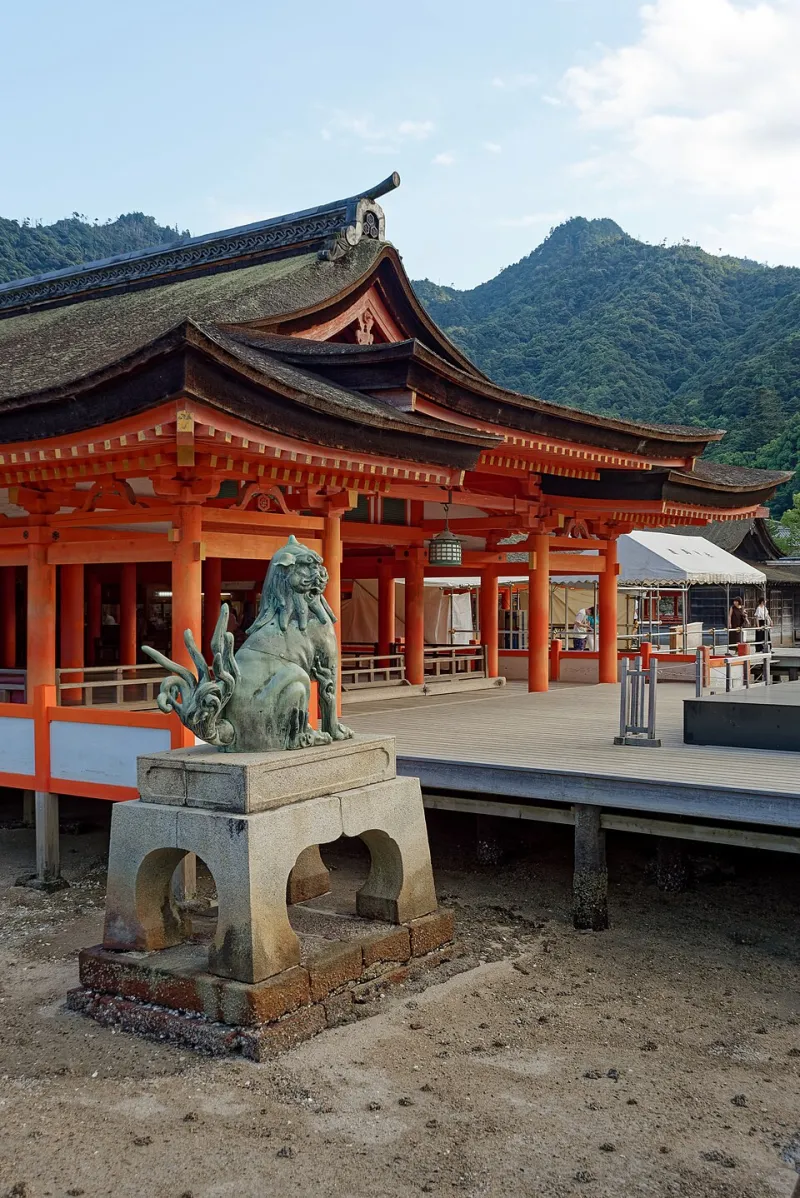
Photo: Jakub Hałun, CC BY 4.0, via Wikimedia Commons
By nine in the evening, Meiji Shrine in Tokyo has emptied. The last visitors have passed beneath the towering torii, the souvenir stalls are shuttered, and the gravel paths that carried thousands of footsteps now sit in near-total silence. Yet the shrine is not asleep. In the Shinto understanding, the hours after sundown are not an ending—they are a continuation of service, carried out for an audience of kami.
The Nightly Offering
At many shrines across Japan, the day concludes with a ritual most travelers will never witness: the shusen, an evening food offering presented to the enshrined deity. Rice, water, salt, and sometimes sake or seasonal produce are carried to the honden, the innermost sanctuary, by priests in formal robes. The offering is placed with the same precision as a morning service, then left for the kami alone.
"People imagine prayer happens only when someone is watching," explains one priest at a rural shrine in Saitama Prefecture, who asked to be described by his family name only. "But the kami do not keep business hours. The evening offering says: we have not forgotten you."
The practice echoes customs older than the shrines themselves. In Japan's earliest written records, deities were understood to require nourishment in the form of offerings—a relationship of reciprocity rather than worship in the Western sense. The food is typically removed the following morning, completing a cycle of giving that has repeated nightly for centuries.
Guardians of the Grounds
Beyond the rituals, there is the practical work of watching over sacred space in the dark. At larger shrines, night custodians and security staff walk the grounds on patrol, checking for fire hazards, storm damage, and stray animals. Their job description sounds mundane; their relationship to the space rarely is.
"You learn the shrine differently at night," says a longtime caretaker at a shrine in Kanagawa. "In daylight, you see what visitors see. At night, you notice which trees lean, where the wind moves, how the buildings breathe. It becomes yours in a way it never was at noon."
Many custodians describe the role as closer to stewardship than employment. Some bow toward the sanctuary before beginning a shift—a habit so ingrained it happens without thought, even on rainy nights when no one else is present.
Why Darkness Matters
Shinto does not treat night as sinister. While certain shrines observe restrictions after dark—the approach to some sanctuaries is traditionally considered improper for casual nighttime visits—darkness itself holds a respected place in Japanese cosmology. The myth of Amaterasu, the sun goddess who withdrew into a cave and plunged the world into darkness, is fundamentally a story about the necessary rhythm of light and shadow. Her emergence required the whole community's effort, celebrated with the first Kagura dances—performances still staged at shrines today.
Some priests argue that night reveals the shrine's true nature. "A shrine in daylight is a destination," one told us. "A shrine at night is a dwelling. The kami live here. We are merely the household staff."
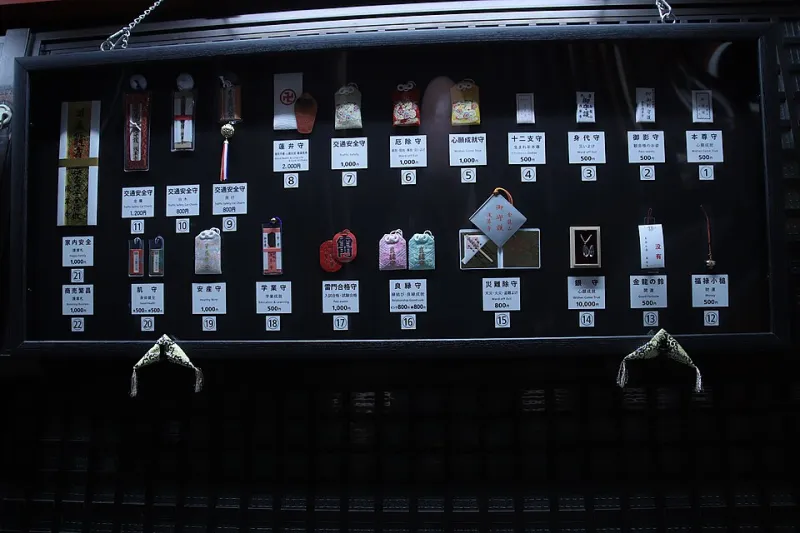
That framing inverts the tourist's perspective entirely. The gift shops, the crowded approaches, the queues for omamori—these are the periphery. The center of shrine life, maintained hour by hour, is a quiet obligation to a resident presence.
A Glimpse for Travelers
American visitors hoping to glimpse this side of shrine life have limited but real options. Some shrines, including a handful in Kyoto and Tokyo, hold evening illuminations or nighttime festivals at certain points in the year, when the grounds open after dark for ceremonies rather than sightseeing. Attending one of these—rather than arriving with a camera—offers the closest experience available to the uninitiated.
More accessible still is a change of posture. Arrive at a shrine just before closing, when the crowds have thinned and the staff begin their evening routines, and you can witness the transition: the sweeping of steps, the closing of doors, the shift from public place to private home.
The lesson the night shift offers is a simple one, and one that resonates far beyond Japan. Sacredness, in the Shinto worldview, is not a performance for an audience. It is maintenance, attention, and care—continued even when, and especially when, no one is watching.