A Year Inside the Sacred: What Americans Discover When They Train as Shrine Priests and Miko
A Year Inside the Sacred: What Americans Discover When They Train as Shrine Priests and Shrine Maidens
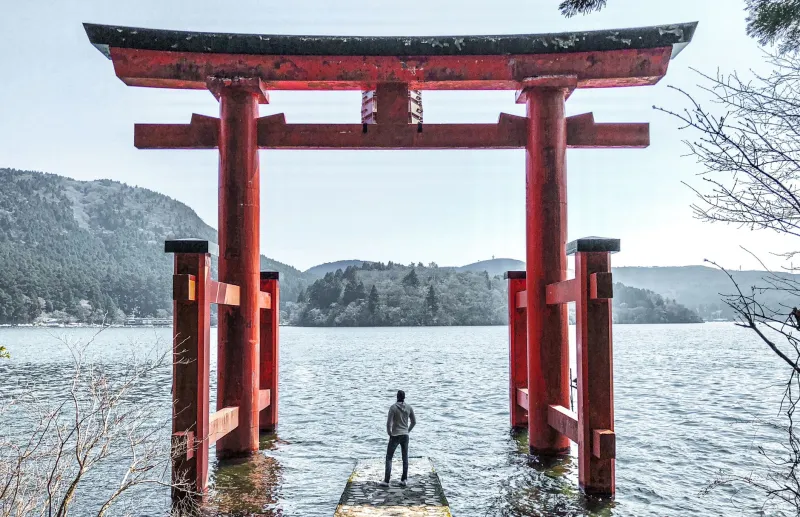
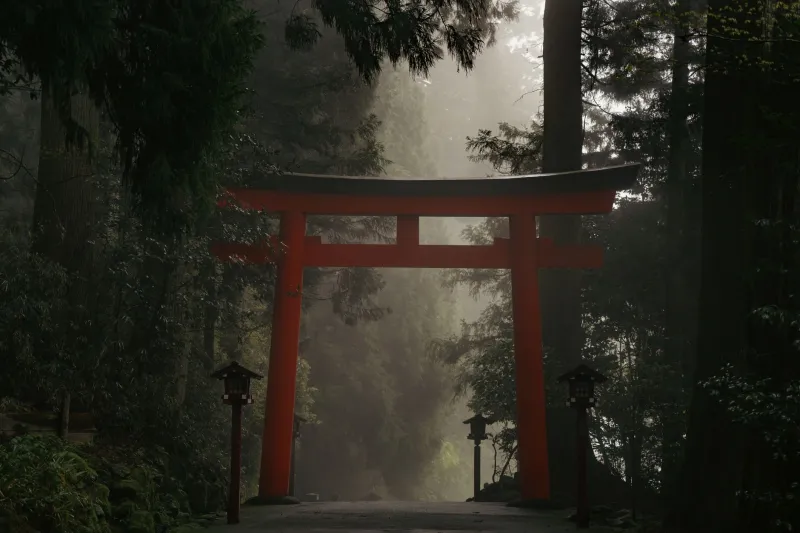
For most American visitors, a Shinto shrine is a place you pass through. You approach the torii, purify your hands at the temizuya, offer a coin, bow twice, clap twice, and bow once more. The entire encounter, however sincere, may last fewer than ten minutes. But for a small and quietly growing cohort of American spiritual seekers, that threshold marks not a brief pause but the beginning of something far more demanding: a formal, year-long commitment to training inside shrine communities as apprentice priests or miko—the shrine maidens who assist in daily ritual life.
These are not casual cultural exchanges or wellness retreats packaged with bamboo aesthetics. They are structured apprenticeships, often arranged through academic institutions, religious studies programs, or direct petitions to shrine administrations, that require participants to live on or near shrine grounds, observe strict codes of conduct, and perform the full range of duties that sustain a functioning jinja. The learning curve is steep, the schedule unrelenting, and the rewards—by most accounts—profound.
What the Training Actually Involves
A common misconception among prospective applicants is that shrine apprenticeships are primarily contemplative. In reality, the daily rhythm of shrine life is structured around labor. Mornings begin well before most Americans would consider reasonable, with ritual purification and the opening of the shrine precinct. Sweeping the grounds, preparing offerings, maintaining the altar spaces, and assisting with the morning prayers—called asa no harae—are not symbolic gestures. They are practical obligations that must be completed with precision and without complaint.
For those training in priestly roles, coursework often runs parallel to physical duties. Apprentices study classical Japanese liturgical language, the pronunciation and cadence of norito (sacred prayers), the proper handling of ritual implements, and the protocols governing different categories of ceremony—from daily maintenance rites to major seasonal festivals. Miko training, while distinct, carries its own technical demands: mastering the movements of kagura (sacred dance), learning to assist officiating priests without disrupting ritual flow, and understanding the symbolic significance of every garment, gesture, and implement involved.
Americans entering these programs frequently report that the first weeks are defined less by spiritual revelation than by the humbling recognition of how much they do not know.
The Discipline of Subordination
One of the most consistent themes among Americans who have completed extended shrine training is the challenge—and eventual value—of subordinating personal preference to institutional form. American professional and spiritual culture tends to prize individual expression, self-directed growth, and the narrative of personal transformation as a journey inward. Shrine apprenticeship inverts much of this. The institution is older than any individual within it. The rituals predate written records. The correct way to fold a garment, arrange an offering, or exit a ceremonial space is not a matter of interpretation.
For participants accustomed to environments that reward creativity and self-advocacy, this can feel disorienting. Several American apprentices have described an early period of friction—a quiet resistance to being corrected on matters that seem, from the outside, trivially small. Yet many describe a subsequent shift in which the precision itself becomes meaningful. When the correct form is internalized, the mind is freed from deliberation. The body moves through ritual on its own authority, and something that functions like stillness becomes accessible.
This is not a psychological framework that shrine communities would necessarily use to describe what is happening. From within the tradition, the apprentice is simply learning to serve the kami correctly. But American participants, trained to narrate their own development, frequently translate the experience into the language of focus, presence, and the relief of being accountable to something larger than individual preference.
Profiles in Commitment
The Americans who pursue shrine apprenticeships are not a monolithic group. Some arrive through religious studies departments at universities with formal exchange agreements with shrine organizations affiliated with Kokugakuin University or the Association of Shinto Shrines. Others negotiate arrangements independently, often after years of study in Japanese language and religion. A few come through martial arts communities, where the spiritual dimensions of Shinto have long maintained a foothold in American practice.
What they share, by and large, is a prior familiarity with Japanese culture that goes well beyond tourism, a functional command of the Japanese language, and a willingness to accept that their presence within the shrine community is conditional on their conduct. Americans who have completed such programs often note that the experience was nothing like what they imagined—and that this gap between expectation and reality was, itself, the most instructive part.
One common discovery concerns the relationship between service and calling. American culture tends to treat vocation as something discovered through introspection—a personal truth waiting to be uncovered. Shrine training suggests a different model: that calling may emerge through sustained practice of service, that meaning accrues through commitment rather than preceding it. Several returnees describe arriving home with a fundamentally altered relationship to their professional lives, not because they intend to pursue priesthood, but because the experience reframed what it means to show up consistently for something beyond oneself.
The Question of Belonging
It would be dishonest to present shrine apprenticeship as a seamless experience of cross-cultural integration. Americans training at Japanese shrines occupy a genuinely ambiguous position. They are guests within a living tradition that does not require their participation to survive. The welcome they receive is, in most cases, generous—but it is not unconditional, and the boundaries of participation are real. There are aspects of shrine life and ritual that remain closed to outsiders regardless of their commitment or competence.
This, too, proves instructive for many participants. Learning to be present within a tradition without claiming ownership of it is a discipline in its own right. American spiritual culture has a complicated history with borrowing from non-Western traditions, and thoughtful apprentices return home having grappled seriously with questions of appropriation, respect, and the difference between informed appreciation and appropriation. The experience does not resolve these questions, but it sharpens them considerably.
What Returns With Them
Most Americans who complete year-long shrine programs do not become Shinto priests. The legal and institutional pathways to formal ordination within the tradition are not designed for foreign nationals, and most participants are candid about the limits of what their training confers. What they carry home is less a credential than a reorientation.
They return with a finely calibrated sense of attention—to physical space, to the rhythm of days, to the weight of repeated action. They return with a different relationship to institutional belonging, having experienced what it means to be accountable to a community organized around something older and larger than any of its members. And they return, frequently, with a deepened respect for the shrines they visited so briefly on earlier trips—understanding now something of the invisible labor that makes those ten-minute encounters possible.
For cultural travelers considering Japan's sacred sites, the existence of these apprenticeship pathways offers a valuable reminder: the stillness of a shrine precinct is not accidental. It is the product of deliberate, disciplined, daily work. And for a small number of Americans each year, that work becomes, for a time, their own.