Bringing the Sacred Home: How American Travelers Are Translating Japanese Shrine Principles Into Their Own Spaces
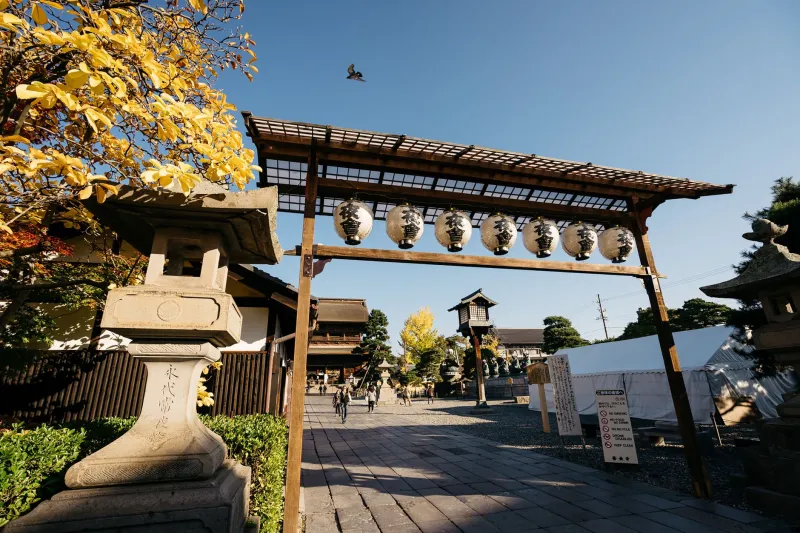
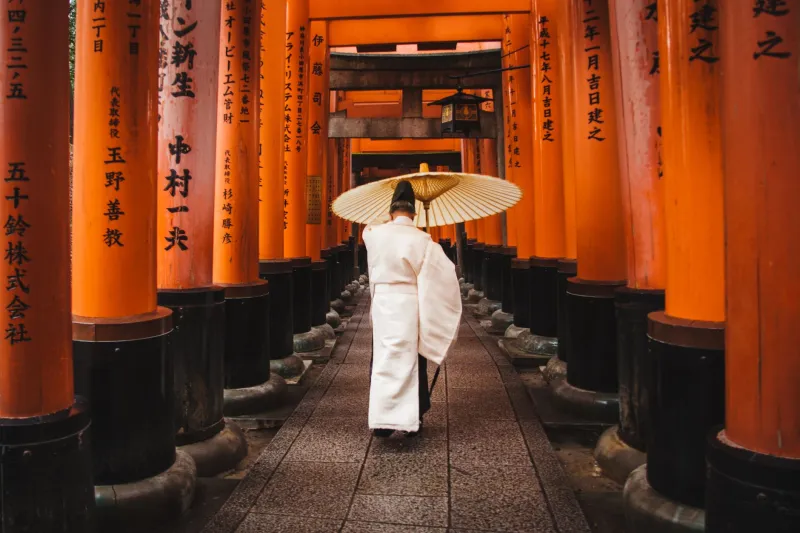
There is a particular stillness that greets visitors at the threshold of a Japanese Shinto shrine. Before a single prayer has been offered or a single ritual observed, the environment itself communicates something—a deliberate quietness, a sense that the ordinary world has been left a few steps behind. For Americans who have walked through a torii gate, heard gravel shift beneath their feet along a sandō pathway, or paused before a stone lantern draped in moss, that feeling can become something they actively seek to recreate upon returning home.
The impulse to bring that calm back is understandable. What is less straightforward is how to do so respectfully, in a way that draws genuinely from shrine design principles rather than reducing a living spiritual tradition to mere decoration. Understanding what makes shrine spaces work—on both a practical and philosophical level—is the necessary first step.
The Philosophy Behind the Aesthetic
Shinto, Japan's indigenous spiritual tradition, holds that kami—sacred spirits or divine forces—inhabit natural phenomena: mountains, rivers, ancient trees, and stones. Shrine architecture does not impose itself upon the landscape so much as it seeks to mark and honor what is already present within it. This is why shrine grounds so frequently feel integrated with their surroundings rather than constructed over them.
The aesthetic that emerges from this philosophy is not minimalism for its own sake. It is purposeful restraint. Every element within a shrine precinct—the gravel path, the rope of twisted straw (shimenawa) encircling a sacred tree, the water basin (temizuya) positioned at the entrance—serves a function. Nothing is incidental. This intentionality is, arguably, the most transferable principle for those seeking to adapt shrine sensibilities at home.
American living spaces, by contrast, often accumulate objects without deliberate curation. The lesson from shrine design is not to strip a room bare, but to ask of each element: what purpose does this serve, and does its presence contribute to or detract from the quality of this space?
Pathways and Thresholds: The Art of Arrival
One of the most psychologically powerful features of a shrine is its approach. The sandō, or approach path, creates a transitional experience between the secular world outside and the sacred precinct within. Walking it, visitors naturally begin to slow down, shift their attention, and prepare themselves mentally for what lies ahead.
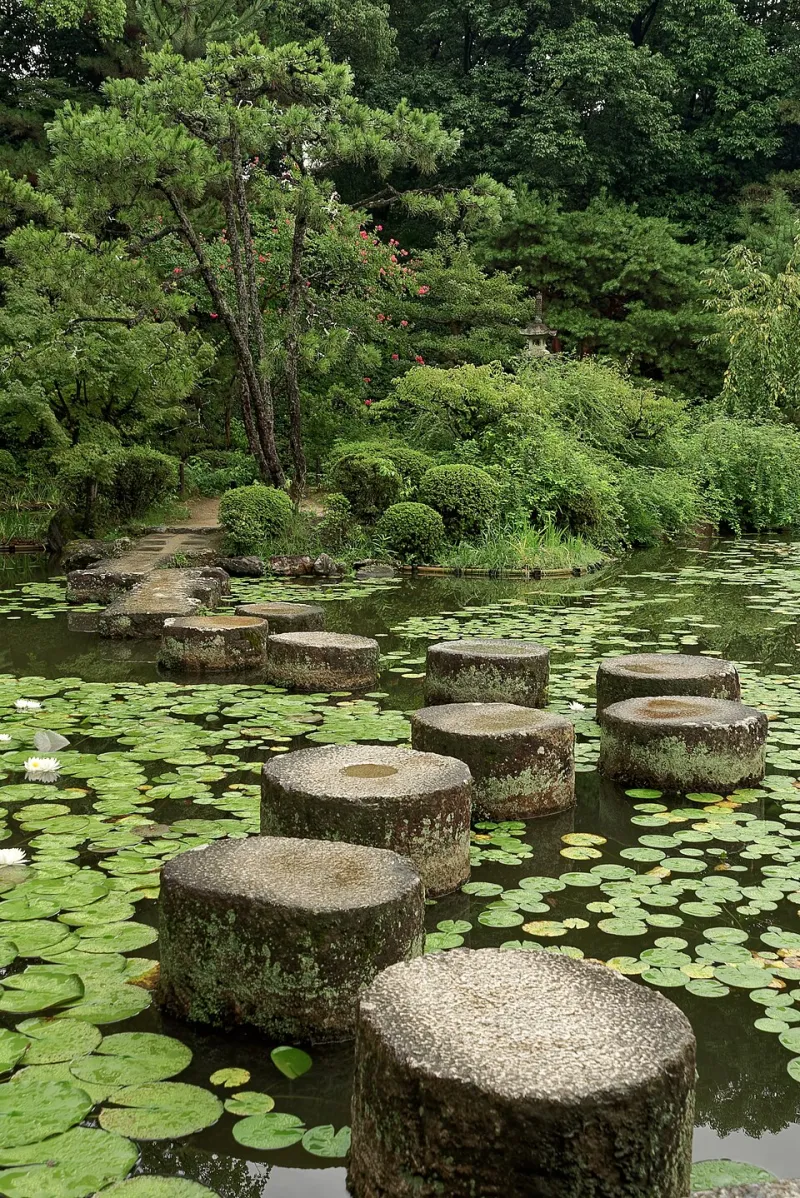
This principle translates meaningfully into residential design. A garden path leading to a front door, or even a distinct entryway arrangement within an apartment, can serve a similar transitional function. The material choices matter: gravel, flat stepping stones, or decomposed granite underfoot engage the senses in ways that smooth concrete does not. Flanking a path with low plantings, a single specimen tree, or a simple stone element draws the eye forward and creates a sense of arrival.
For those without outdoor space, the concept applies indoors as well. A defined entryway—kept clear of clutter, marked perhaps by a single plant or a low table for keys and shoes—establishes a boundary between the outside world and the home interior. The act of removing shoes at the door, common in Japanese homes and observed at many shrine precincts, reinforces this transition physically and psychologically.
Natural Materials and the Texture of Calm
Shrine structures are built predominantly from wood, stone, and natural fiber. These materials age visibly, accumulating a patina that speaks to time and continuity. Exposed grain, rough-hewn stone, and unbleached rope all carry a tactile quality that synthetic materials rarely replicate. Within a home, prioritizing natural materials—wooden furniture, stone surfaces, cotton or linen textiles—introduces a sensory dimension that contributes to a calmer atmosphere.
This does not require wholesale renovation. Replacing a synthetic rug with a natural fiber alternative, introducing a stone or ceramic vessel as a focal point, or swapping out plastic storage containers for woven baskets are incremental changes that, collectively, shift the material character of a space.
Water is another element that shrine designers employ with great care. The temizuya, the purification fountain at a shrine's entrance, is both functional and symbolic—it marks the beginning of ritual preparation and introduces the sound and presence of moving water into the precinct. A small outdoor fountain, a tabletop water feature, or even a simple bowl of water refreshed daily can serve a comparable grounding function within a home environment.
Creating a Dedicated Space for Stillness
Many Americans returning from shrine visits describe an interest in establishing a quiet corner within their home—a place set apart from the functional demands of daily life, intended solely for reflection, meditation, or simply sitting without distraction. Shrine design offers a clear model for this: a defined space, oriented deliberately, containing only what is necessary.
Such a space need not be large. A corner of a bedroom, a section of a study, or a spot in a garden can serve the purpose. What distinguishes it is intentionality: it is not a multi-use area but a place reserved for a single quality of attention. A low seat or cushion, a single plant, a candle, or a natural object of personal significance—a smooth stone, a piece of driftwood, a dried botanical—can anchor the space without overcrowding it.
It is worth noting here what this space is not. A home altar in the Shinto tradition, known as a kamidana, is a specific religious object with precise ritual requirements and deep spiritual significance within Japanese households. Recreating a kamidana without proper understanding of its religious context crosses from aesthetic inspiration into appropriation. Americans seeking the feeling of a dedicated reflective space can achieve that through design principles alone, without replicating the form of a sacred religious object.
Respecting the Source
The distinction between drawing inspiration and appropriating a tradition deserves direct acknowledgment. Shinto is a living religion practiced by millions of people in Japan. Its shrines are not design concepts—they are active places of worship, community gathering, and spiritual life. The aesthetic qualities that American visitors find so compelling are inseparable from the beliefs and practices that produced them.
Adapting those aesthetic principles thoughtfully—understanding their origins, acknowledging their context, and applying them with genuine respect rather than superficial imitation—is both ethically sound and practically more effective. A space designed with an understanding of why shrine environments feel the way they do will carry more of that quality than one that simply borrows visual elements without comprehension.
For those wishing to deepen their understanding before undertaking any design project at home, returning to the source is always worthwhile. Visiting more shrines, reading about Shinto philosophy, or engaging with Japanese cultural organizations in the United States are all meaningful ways to ensure that inspiration remains grounded in respect.
The Lasting Impression of Sacred Space
What Japan's Shinto shrines offer—and what so many American visitors find themselves trying to carry home—is not a style but a sensibility. It is the understanding that an environment can be designed to support a particular quality of human experience: attentive, unhurried, and open to something larger than the immediate concerns of the day.
That sensibility, applied thoughtfully within American homes and gardens, has the potential to create genuine pockets of calm in daily life. The shrines of Japan have been refining this art for over a thousand years. There is much to learn from them—provided we approach that learning with the same reverence we would bring to walking through a torii gate for the first time.