Guardians of the Sacred: The Devoted Lives of Those Who Keep Japan's Shrines Alive
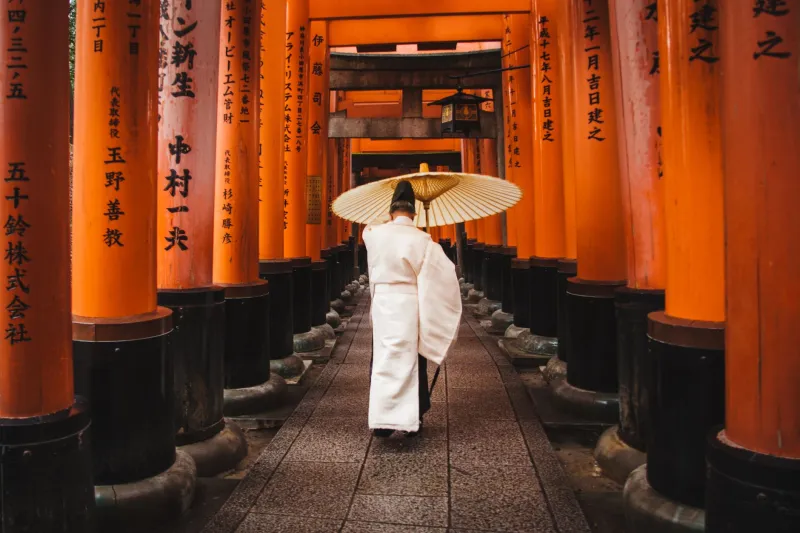
When an American traveler steps through a torii gate for the first time, the experience can feel almost effortless — gravel crunching underfoot, incense threading through cedar-scented air, the soft sound of water from a purification fountain nearby. That seamlessness is not accidental. It is the product of an extraordinary amount of unseen labor, performed daily by a network of priests, groundskeepers, ritual specialists, and hereditary craftspeople whose work most visitors will never fully witness.
To truly appreciate a Japanese shrine, one must look beyond the architecture and ritual objects and consider the living community that sustains it. These are not museum curators preserving static relics. They are active participants in a spiritual tradition that has remained continuous for over a millennium.
The Kannagi: Priests as Living Conduits
At the center of every functioning shrine is the kannagi — a priest, or more broadly, a person who serves as a conduit between the human world and the divine. In contemporary Japan, shrine priests hold formal credentials issued through the Association of Shinto Shrines and undergo years of training at institutions such as Kokugakuin University in Tokyo or Kogakkan University in Mie Prefecture.
Their daily responsibilities begin well before most visitors arrive. The first act of the morning, known as Ohitaki or morning service, involves formally awakening the enshrined deity — the kami — through prayer, the offering of food and water, and the lighting of sacred fire. This ritual is performed with exacting precision regardless of weather, personal circumstance, or season. There are no sick days from the sacred.
For American visitors accustomed to thinking of religious leadership primarily in terms of sermons or pastoral counseling, the role of a Shinto priest can seem puzzlingly ceremonial. But this ceremonialism is precisely the point. In Shinto thought, the correct performance of ritual maintains cosmic and social order. A priest who rushes through the morning offering or neglects the proper sequence of purification prayers is not merely being careless — he or she is, in a theological sense, allowing disorder to enter the world.
The Art of Shrine Maintenance: More Than Groundskeeping
Beyond the priesthood lies an equally essential corps of shrine workers whose expertise is architectural and horticultural rather than liturgical. Large shrines such as Meiji Jingu in Tokyo or Fushimi Inari Taisha in Kyoto employ full-time groundskeeping teams whose responsibilities span from daily leaf removal to decades-long structural restoration projects.
The materials used in shrine construction — primarily hinoki cypress wood, copper roofing, and natural stone — require ongoing attention. Hinoki weathers beautifully but must be monitored for rot, insect damage, and structural fatigue. Many shrine buildings are rebuilt on cycles of twenty or sixty years, a practice most famously exemplified by Ise Jingu, where the main shrine structures have been ritually reconstructed every twenty years for over thirteen centuries. This practice, known as Shikinen Sengu, is not merely practical maintenance. It is a theological statement: that renewal, rather than preservation, is the highest form of respect for the sacred.
The craftspeople who participate in these reconstructions represent some of Japan's rarest professional lineages. Carpenters trained in traditional miyadaiku techniques — shrine and temple carpentry — spend years mastering joinery methods that use no nails, relying instead on precisely fitted wooden joints that have proven more resilient over centuries than metal fasteners. Some of these artisans work within family traditions stretching back generations, passing down not only technical skills but an entire vocabulary of sacred proportion and spatial meaning.
The Seasonal Rhythm of Shrine Work
For those who maintain shrines, the calendar is never simply a sequence of months. It is a dense schedule of ritual obligations, restoration windows, and natural cycles that must all be held in balance simultaneously.
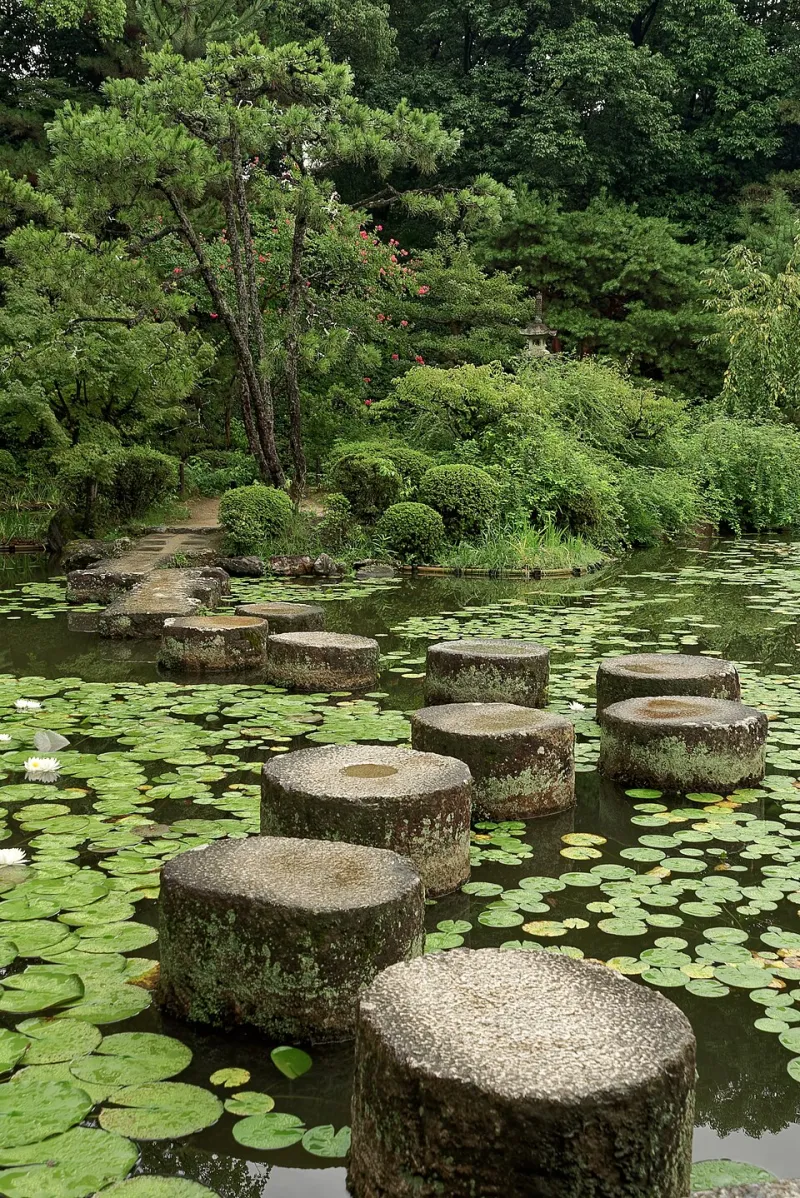
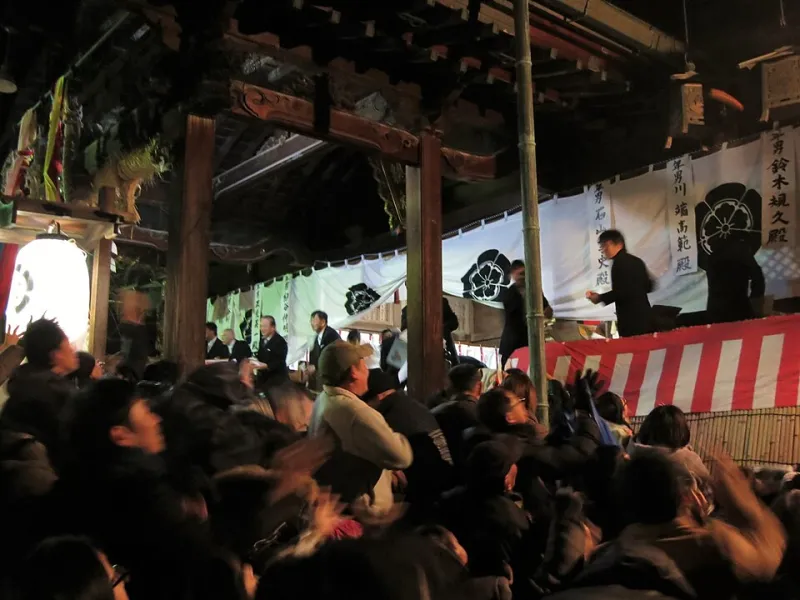
Spring brings the planting of tamagushi — sacred sakaki branches used in offerings — as well as the intensive cleaning that precedes major festivals. Summer demands vigilance against the humidity that threatens wooden structures and the moss management required to keep stone pathways both beautiful and safe. Autumn is often the busiest festival season, requiring coordination between the shrine's resident staff and the broader community of parishioners, musicians, and ceremonial performers who participate in matsuri events. Winter, finally, offers a brief window for more substantial structural inspections and repairs before the cycle begins again.
This rhythm means that shrine workers rarely experience the kind of clear separation between professional and personal life familiar to most Americans. Residence on or near shrine grounds is common, particularly for head priests, and the boundaries between devotional practice and professional duty are deliberately blurred. The shrine is not a workplace one leaves at five o'clock.
Hereditary Knowledge and the Challenge of Succession
One of the less-discussed challenges facing Japan's shrine communities is the question of succession — both of personnel and of specialized knowledge. Japan's aging population has placed pressure on many rural shrines, where congregations have shrunk and the financial base for maintaining full-time staff has eroded. Some smaller shrines are now maintained by part-time priests who serve multiple locations, traveling between sites on a rotating schedule.
The transmission of specialized craft knowledge presents a parallel concern. The techniques required to re-thatch a kayabuki roof, forge a traditional shrine bell, or execute the embroidery patterns on a priest's formal robes are held by a diminishing number of practitioners. Efforts to document and teach these skills are underway at several institutions, but the challenge of sustaining living craft traditions in a competitive modern economy remains significant.
For American visitors with professional backgrounds in architecture, historic preservation, or cultural heritage management, this challenge may feel familiar. The United States has its own ongoing conversations about sustaining craft traditions in vernacular building, and the parallels with Japan's shrine maintenance community are genuine and illuminating.
What Visitors Can Do
Understanding the human effort behind shrine maintenance need not remain abstract. There are several ways that culturally conscious American travelers can engage more meaningfully with this world.
Purchasing a goshuin — the formal red-ink calligraphy stamp available at most shrines — directly supports the shrine's operating budget and acknowledges the labor of the priests who prepare and issue them. Participating in a formal purification ritual, known as harae, when offered, is another way of engaging with the living religious community rather than simply observing it. Some larger shrines also offer behind-the-scenes tours or seasonal volunteer programs, though these typically require advance coordination and, in many cases, Japanese language ability.
Perhaps most importantly, visitors can simply slow down. The gravel raked into precise patterns, the flower offering renewed that morning, the lantern cleaned of every trace of soot — these are not decorative details. They are evidence of lives devoted to maintaining a connection between the human and the divine. Recognizing that devotion is, in itself, a form of respect.
Japan's shrines endure not because they are made of durable materials, though many are. They endure because generation after generation, specific human beings have chosen to make their preservation the work of their lives. That choice deserves acknowledgment — and, for those fortunate enough to visit, genuine gratitude.