Walking Into the Sacred: How Japan's Ancient Pilgrimage Routes Are Transforming American Travelers
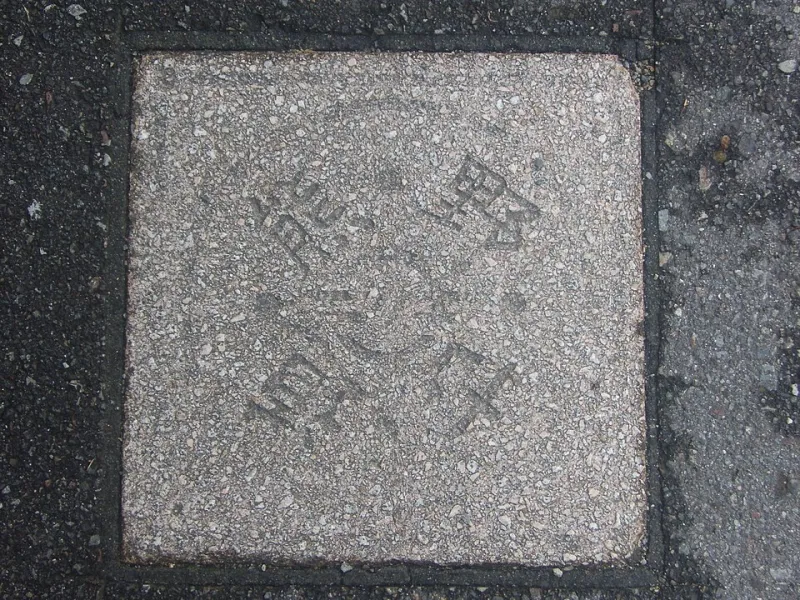
Photo: Indiana jo, CC BY-SA 4.0, via Wikimedia Commons
For most Americans, a trip to Japan conjures images of neon-lit city streets, meticulously arranged sushi counters, and bullet trains threading between skyscrapers. Yet a quieter, more profound form of travel is steadily gaining ground among US visitors — one that trades convenience for contemplation and tourist attractions for spiritual encounter. Japan's sacred pilgrimage routes, many of which have been walked for over a thousand years, are drawing American travelers in search of experiences that linger long after the flight home.
The Pilgrimage Tradition in Japan: A Brief History
The concept of junrei — religious pilgrimage — is deeply woven into Japan's cultural and spiritual fabric. Unlike Western pilgrimage traditions, which often culminate at a single holy site, Japanese pilgrimages frequently form circuits or corridors connecting multiple shrines and temples. The Kumano Kodo, a UNESCO World Heritage network of trails in the Kii Peninsula, links three grand shrines known collectively as the Kumano Sanzan: Kumano Hongu Taisha, Kumano Nachi Taisha, and Kumano Hayatama Taisha. These routes have attracted pilgrims since at least the ninth century, including Japanese emperors who made the arduous journey on foot.
Equally revered is the pilgrimage to Ise Jingu, considered the most sacred site in all of Shinto. Housed within a dense forest in Mie Prefecture, Ise's Grand Shrine is dedicated to Amaterasu, the sun goddess and divine ancestor of the imperial family. Historically, ordinary Japanese citizens saved for years — sometimes entire lifetimes — for the privilege of making this journey. Today, both routes welcome international visitors, and the infrastructure to support them has never been more accessible.
Why Americans Are Walking These Routes
The appeal for US travelers is not difficult to understand. In a cultural moment defined by screen fatigue, professional burnout, and a widespread hunger for experiences that feel genuinely meaningful, Japan's pilgrimage routes offer something rare: a structured form of slowness. There are no shortcuts. The path demands presence.
Mark, a software engineer from Portland, Oregon, completed a five-day section of the Kumano Kodo's Nakahechi route in the spring of 2023. He had initially planned a conventional two-week Japan itinerary focused on Tokyo and Kyoto. A chance encounter with a travel essay about the Kumano trails prompted him to reroute entirely. "I expected it to be beautiful," he said. "I didn't expect it to feel like something I had been waiting to do my whole life without knowing it."
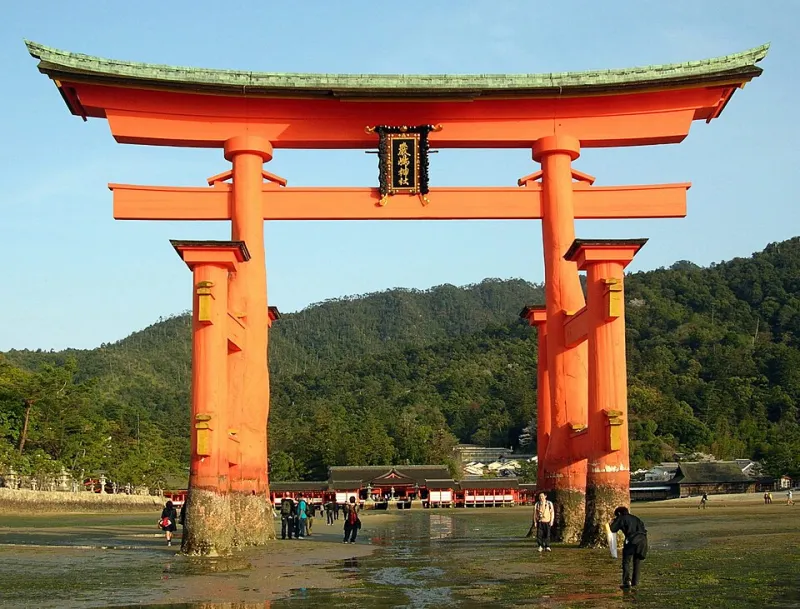
Similar accounts are common among Americans who undertake these journeys. Many describe a gradual shift in perception over the course of multiple days on the trail — a quieting of habitual mental noise, a heightened awareness of natural surroundings, and an unexpected emotional openness. Psychologists studying the effects of long-distance walking have noted that sustained physical movement combined with natural environments can produce measurable reductions in anxiety and rumination. On the pilgrimage routes of Japan, these effects are amplified by the spiritual architecture of the landscape itself: the moss-covered stone torii gates, the sound of water over ancient rocks, the incense drifting from roadside shrines.
Lauren, a high school teacher from Chicago, completed the Ise pilgrimage as part of a solo trip following a difficult divorce. She described standing before the inner sanctuary of Ise Jingu as "the first time in months I felt genuinely still." She has since returned twice.
The Spiritual Dimensions of Walking
Shinto, Japan's indigenous spiritual tradition, does not draw a firm boundary between the sacred and the natural world. Kami — the divine spirits honored at Shinto shrines — inhabit rivers, mountains, ancient trees, and the forces of wind and sea. Walking through a landscape understood in these terms is itself a form of spiritual practice, even for those with no formal religious affiliation.
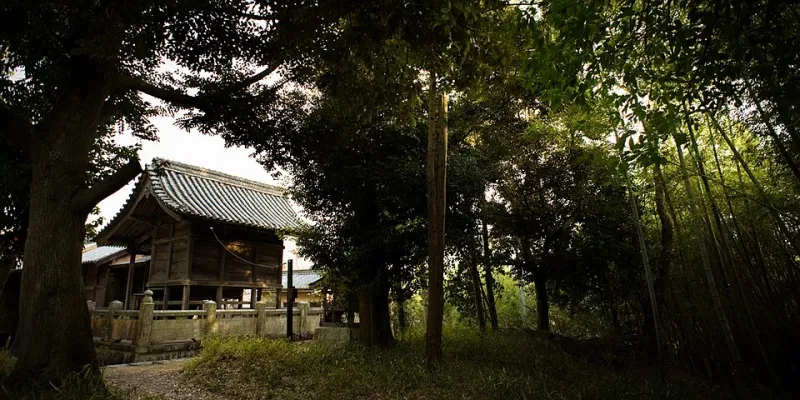
The Kumano Kodo is particularly striking in this regard. Much of the trail passes through old-growth forest, and the cumulative effect of hours spent beneath a canopy of cedar and cypress — punctuated by the sudden emergence of a moss-encrusted stone lantern or a centuries-old shrine pavilion — produces an atmosphere that many walkers describe as genuinely otherworldly. The pilgrimage does not require adherence to Shinto belief. What it does require is a willingness to move slowly and pay attention.
Practical Guidance for First-Time Pilgrims
For Americans considering their first pilgrimage, the Kumano Kodo's Nakahechi route is widely regarded as the most accessible entry point. The route can be walked in sections ranging from one to six days, and the surrounding Wakayama Prefecture has invested significantly in English-language signage, detailed trail maps, and a network of traditional guesthouses known as minshuku and ryokan that cater to international visitors.
The Ise pilgrimage, while less physically demanding as a standalone experience, rewards those who approach it with some preparation. Reading about the history and spiritual significance of the Naiku (Inner Shrine) and Geku (Outer Shrine) before arrival deepens the encounter considerably. Arriving early in the morning — before tour groups from Nagoya and Osaka — allows for a quality of quiet that is transformative in its own right.
Several key practical points deserve attention:
Physical preparation matters. The Kumano Kodo involves significant elevation change. Walkers should be comfortable with multi-hour hikes on uneven terrain before attempting the full route. Begin conditioning at least two months in advance.
Book accommodations well ahead. Traditional guesthouses along the Kumano Kodo fill quickly, particularly during spring and autumn. Reservations made three to four months in advance are advisable for popular seasons.
Carry a goshuincho. The red-stamp pilgrimage book, available at most shrine gift shops, provides a tangible record of each sacred site visited. Many American pilgrims cite completing their stamp book as one of the most satisfying aspects of the journey.
Respect the rhythm of the route. The temptation to rush — to cover as much ground as possible in the time available — works against the purpose of the pilgrimage. Experienced walkers recommend erring on the side of doing less and experiencing it more fully.
A Different Kind of Souvenir
What pilgrims carry home from Japan's sacred routes is not easily packaged. Mark returned to Portland and quit a job that had been making him miserable for three years. Lauren began studying Japanese. Others describe more subtle shifts: a greater tolerance for uncertainty, a renewed capacity for wonder, a changed relationship with silence.
These transformations are not incidental to the pilgrimage experience. They are, in many ways, its entire point. Japan's ancient routes were designed not merely to move the body from one sacred site to another, but to use that movement as a means of interior change. That this purpose resonates so powerfully with twenty-first-century Americans speaks both to the timelessness of the practice and to something genuine in the hunger that drives so many US travelers to seek it out.