Sakura, Surf, and Samurai: Five Sacred Day Trips From Tokyo That Fit in a Morning
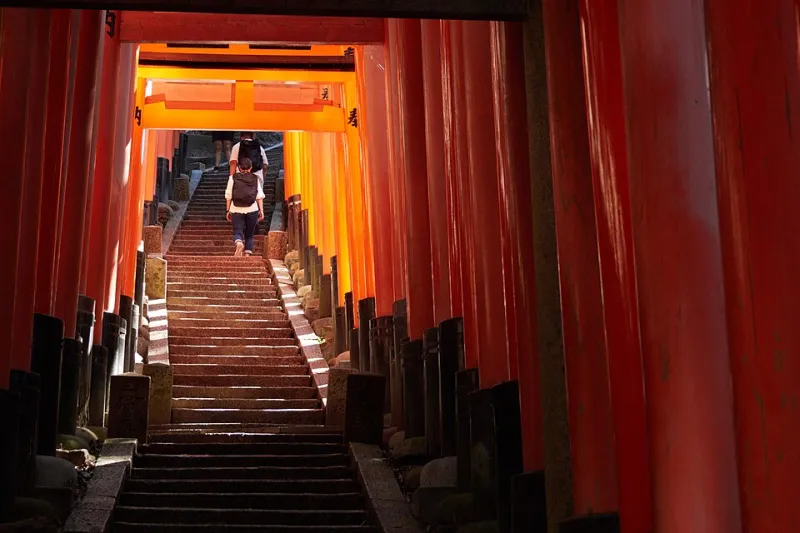
Photo: lumoplank, CC0, via Wikimedia Commons
First-time visitors to Tokyo often assume that encountering Japan's sacred side requires a shinkansen ticket and a free day. It doesn't. Some of the country's most atmospheric shrines sit within a short train ride of the capital, and each offers something distinctly its own. Here are five worth your morning—plus the practical details to get you there and back before lunch.
Meiji Shrine: The Forest in the City
Transit: JR Yamanote Line to Harajuku Station; the entrance is a two-minute walk. Best time: Right at opening, 6 a.m. in most seasons—early enough to have the broad gravel approach nearly to yourself.
Start with the classic, because it earns the title. Meiji Shrine is wrapped in a hand-planted forest of some 100,000 trees, donated from across Japan when the shrine was built a century ago. Step through the great wooden torii and the city's noise drops away with startling speed. The wide, straight approach is a masterclass in procession design: you walk it, and by the time you reach the main hall, you walk differently.
Okunitama Shrine: Old Fuchu, Unhurried
Transit: Keio Line from Shinjuku to Fuchu Station, about 30 minutes. Best time: Weekend mornings, when a small antiques market often fills the approach.
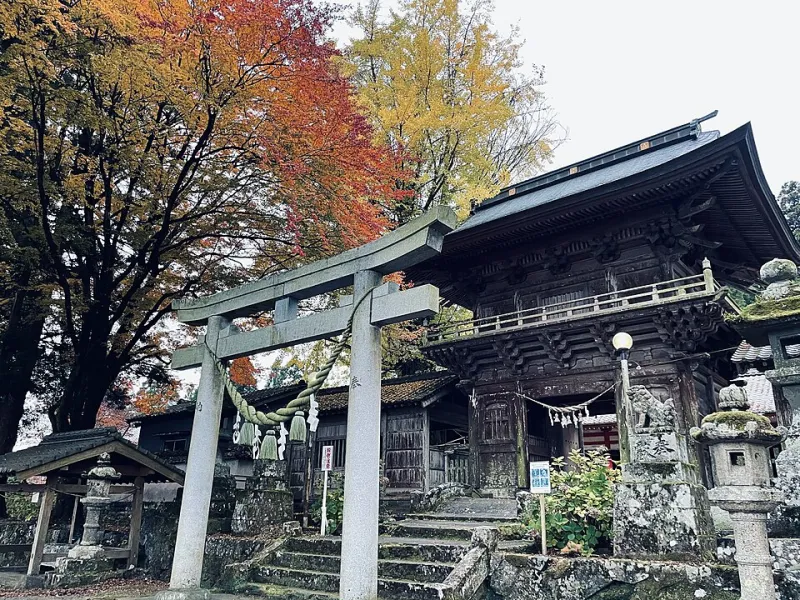
Most guidebooks skip Fuchu, which is exactly why you shouldn't. Okunitama Shrine is one of Tokyo's oldest, its grounds shaded by massive zelkova trees and anchored by an imposing gate of dark wood. It is a working neighborhood shrine—dog walkers, grandmothers, toddlers at their first hatsumiyairi—rather than a destination, and that is its charm. You can stand in the courtyard and hear sparrows.
Ōkusu Shrine: The Sacred Tree on the Sea
Transit: Keikyu Line from Shinagawa to Ōfuna, transfer to the Yokosuka Line for Kamakurakōkōmae Station, roughly 75 minutes total. Best time: Mid-morning, after the beach fog burns off.
Near Kamakura's more famous sights sits a small shrine built around one thing: an enormous camphor tree, roughly a thousand years old, its trunk wrapped in sacred rope. The shrine stands close enough to the water that you can hear surf through the trees. It is intimate in a way large complexes cannot be—one deity, one tree, one quiet courtyard.
Tsurugaoka Hachimangu: The Samurai's Shrine
Transit: Same route as above; walk the full Dankazura approach from Kamakura Station, about 10 minutes. Best time: Arrive before 9 a.m. to beat tour groups.
Kamakura was Japan's seat of samurai government 800 years ago, and Tsurugaoka Hachimangu was its spiritual heart. The approach is a straight, elevated causeway lined with cherry trees, leading to a broad stairway and a shrine that feels more like a fortress of faith than a retreat. History hangs heavy here—in the best way. Pair it with Ōkusu Shrine for a half-day that covers both grandeur and intimacy.
Suwa Shrine (Nagareyama) or, Better: Kanda's Hidden Counterpart—Hie Shrine, Akasaka
Transit: Tokyo Metro Ginza or Namboku Line to Akasaka-mitsukake/Tameike-sanno; five-minute uphill walk. Best time: Lunchtime on a weekday—salarymen and office workers make their quick prayers around you.
Tucked behind the office towers of Akasaka, Hie Shrine offers Tokyo's most striking urban contrast: vermillion torii gates stacked in a tunnel up a hillside, with glass skyscrapers visible through the branches. It is the guardian shrine of the city's political and business district, and it demonstrates how Shinto practice threads through contemporary Japanese working life. Ten minutes from a conference room, and you are passing beneath sacred gates.
Planning Notes
- Cash matters. Bring coins and small bills for offerings and goshuin (seal stamps); some shrines don't take cards.
- Go early. Every one of these places transforms between 8 and 10 a.m.
- Mind the etiquette. Bow at the torii, keep the center of the approach clear—it's considered the path of the kami—and cleanse at the temizuya fountain before approaching the hall.
A single morning is enough to stand beneath thousand-year trees, hear the ocean through shrine pines, and climb through a corridor of red gates. The sacred, it turns out, is closer than the itinerary suggested.