Rooted in the Sacred: How Japan's Shrine Gardens Encode Spiritual Meaning Into Every Leaf and Stone
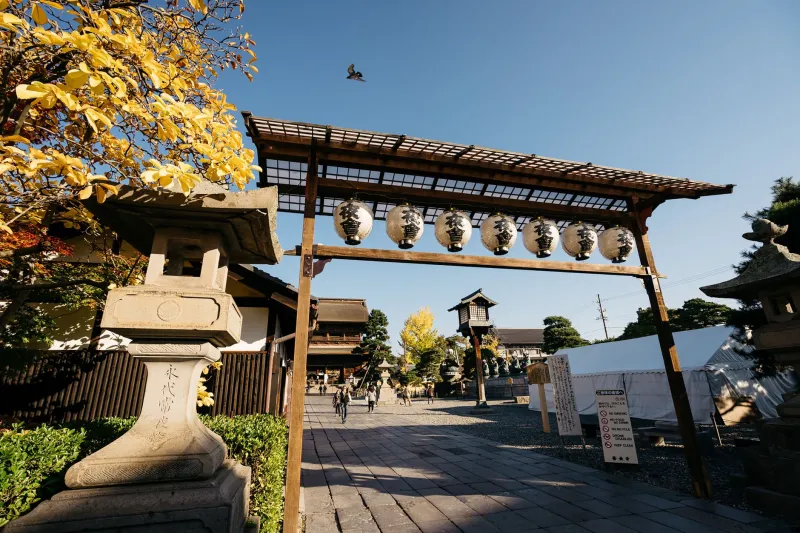
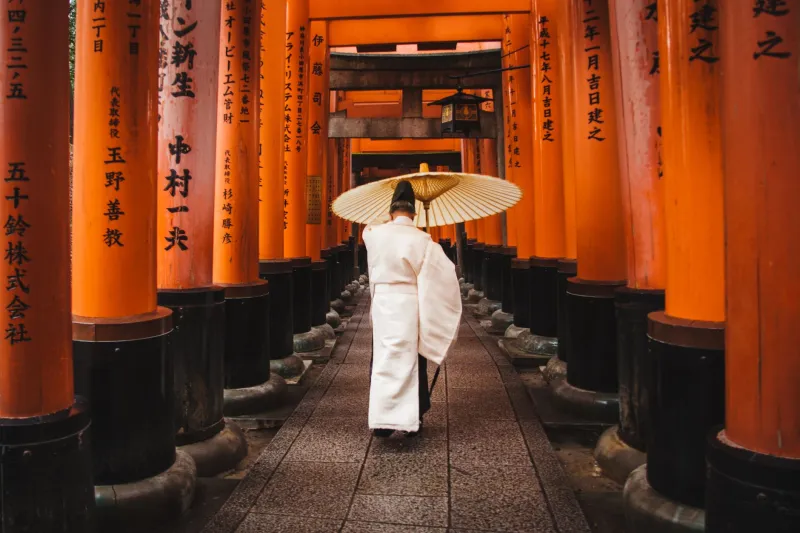
When visitors pass beneath the torii gate of a Japanese Shinto shrine, they often pause — not only because they have been instructed to bow, but because something in the surrounding landscape compels stillness. The air feels different. The light filters through canopies of ancient cedar in a way that seems almost deliberate. That sense of transition is not accidental. The botanical environment of a shrine is one of the most sophisticated and intentional design systems in the world, shaped by more than two thousand years of spiritual philosophy, ecological knowledge, and aesthetic discipline.
For American travelers who have visited Japan's great shrines — or who are planning to — understanding what lies beneath the surface of these gardens can transform a pleasant walk into a genuinely illuminating experience.
The Garden as Threshold, Not Decoration
In Western landscape design, gardens typically serve an aesthetic or recreational function. They are places of beauty, of leisure, of personal expression. The gardens of Japanese Shinto shrines operate under an entirely different premise. They exist, first and foremost, as spiritual thresholds — environments engineered to shift human consciousness from the ordinary world into a state of heightened receptivity.
This concept is rooted in the Shinto understanding of satoyama, the boundary zone between human settlement and the wild natural world. Shrines were historically built at these margins, and their gardens were designed to amplify that sense of liminality. The visitor is neither fully in civilization nor fully in wilderness; they occupy a middle space where the presence of kami — the divine spirits of Shinto belief — is thought to be most accessible.
Every element of the garden, from the arrangement of gravel paths to the placement of a single flowering plum, is calibrated to sustain that threshold feeling. Nothing is incidental.
Sacred Trees: The Oldest Residents of the Shrine
Perhaps no botanical element carries more spiritual weight within shrine grounds than the ancient trees that populate them. The Japanese shimenawa — a thick rope of twisted rice straw — is frequently bound around the trunks of particularly old or large specimens, designating them as goshinboku: divine trees inhabited by kami.
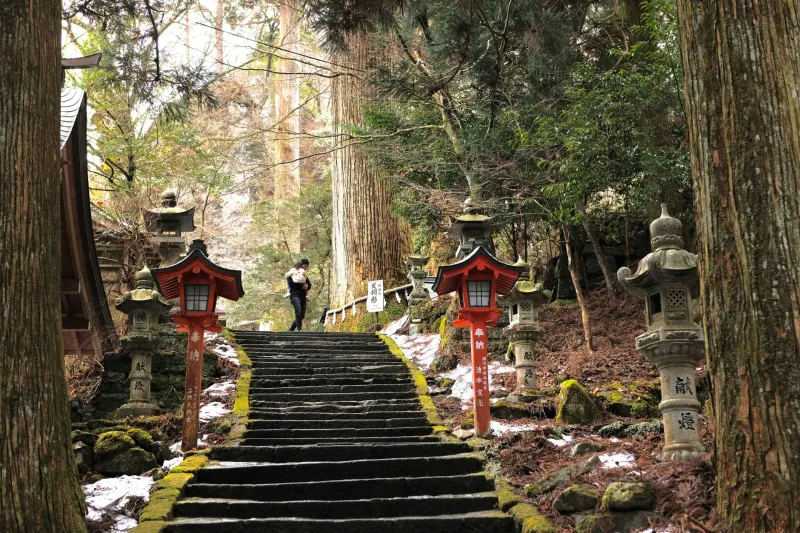
The camphor tree (Kusunoki) appears with remarkable frequency on shrine grounds throughout western Japan and is associated with longevity and protection. The Japanese cedar (Sugi), with its soaring vertical form and deep, resinous fragrance, is perhaps the most iconic shrine tree, lining the approach paths of major shrines such as Nikko Toshogu in Tochigi Prefecture. These cedars were not simply planted for shade; their verticality was understood as a visual metaphor for the axis connecting earth and heaven, the human and the divine.
The sacred Sakaki tree (Cleyera japonica), an evergreen with glossy leaves, holds particular ritual importance. Branches of Sakaki are used in purification ceremonies and placed upon altars. Its evergreen nature — its refusal to shed leaves — symbolizes eternal life and the unchanging presence of the divine.
For American garden enthusiasts, the lesson here is not to import these specific species wholesale, but to consider which trees in one's own regional landscape carry a quality of permanence, scale, or fragrance that might anchor a contemplative space.
Moss, Gravel, and the Aesthetics of Impermanence
If trees represent eternity within shrine gardens, moss represents its counterpart: the beauty of slow, patient change. The thick carpets of moss that cover stone lanterns, pathways, and shaded ground in many shrine gardens are not merely picturesque. They embody the Japanese aesthetic concept of wabi — a beauty found in simplicity, transience, and incompleteness.
Moss grows slowly and requires specific conditions of moisture and shade. Its presence in a garden signals that the space has been undisturbed for a long time — that it has been respected, not aggressively managed. For American homeowners accustomed to lawns that must be actively maintained and controlled, the moss garden offers a philosophical inversion: it rewards restraint rather than intervention.
Raked gravel, another common feature of shrine-adjacent gardens, serves a similarly meditative purpose. The act of raking creates temporary patterns — ripples, waves, concentric circles — that represent both the impermanence of all things and the human capacity to impose momentary order upon formlessness. Several American Zen centers and botanical gardens, including spaces in California and the Pacific Northwest, have incorporated raked gravel areas into their designs, drawing directly from this tradition.
The Symbolism of Seasonal Flowers
Shrine gardens are not static environments. They are designed to transform with the seasons, and that transformation carries spiritual significance. The ume (Japanese plum) blooms in late winter, often while snow still covers the ground, and is celebrated as a symbol of perseverance and hope. Cherry blossoms (sakura), which follow in spring, represent the poignant beauty of impermanence — life at its most vivid and most fleeting. Chrysanthemums (kiku) arrive in autumn, associated with longevity and the imperial household.
This seasonal choreography is not merely decorative. It teaches visitors, through the medium of living plants, the Shinto understanding of time as cyclical rather than linear. The garden does not simply exist; it narrates.
American landscape designers working with clients interested in contemplative outdoor spaces have begun incorporating this seasonal intentionality into their plans — selecting plants not only for their visual qualities but for the specific emotional and philosophical resonance they carry at different points in the year.
Translating Shrine Garden Principles for American Spaces
The growing American interest in shrine-inspired garden design is not a matter of cultural appropriation so much as philosophical translation. The underlying principles — spatial transitions that shift psychological states, the use of plants as symbolic rather than purely aesthetic elements, the integration of impermanence as a design value — are universal enough to be applied thoughtfully in very different geographic and cultural contexts.
Several practical principles emerge from a close study of shrine gardens:
Designate a threshold. Even a modest garden benefits from a clear entry point — a gate, an arch, a change in ground material — that signals a transition from the everyday world into a space of greater intentionality.
Anchor the space with a living elder. A single mature tree, chosen for its scale and presence, can perform the same grounding function as the goshinboku of a shrine garden. The tree need not be wrapped in rope; it need only be treated with the respect that age and rootedness deserve.
Permit imperfection. Moss, lichen, weathered stone — these are not signs of neglect but of time. Designing a garden that accommodates rather than resists the marks of passing seasons aligns directly with the Shinto appreciation of mono no aware, the gentle melancholy of things that change.
Plant for the year, not the moment. Selecting plants that carry meaning across all four seasons ensures that the garden remains a living narrative rather than a static display.
A Different Kind of Outdoor Space
The shrine gardens of Japan endure not because they are beautiful — though they are — but because they are purposeful. Every stone, every tree, every carefully tended bed of moss exists within a coherent philosophical framework that links the natural world to the sacred, the temporal to the eternal, the human to something larger than itself.
For American visitors walking those paths for the first time, and for homeowners and designers seeking to bring something of that quality home, the invitation is not to replicate a foreign aesthetic but to ask a more fundamental question: what is this garden for? In the Shinto tradition, the answer has always been clear. Whether that clarity can be translated across cultures and continents is, perhaps, the most interesting design challenge of our time.