Sacred Ground Under Pressure: How Japan's Shrines Are Managing the Tourism Surge Without Sacrificing Spiritual Integrity
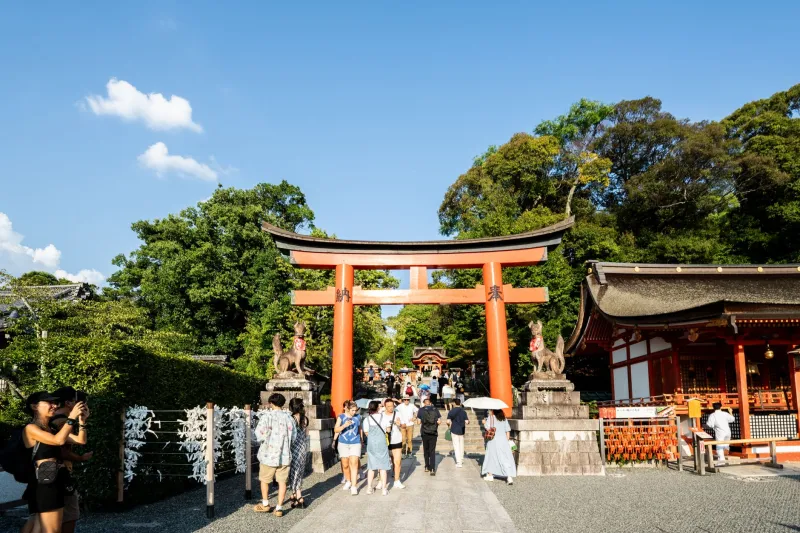
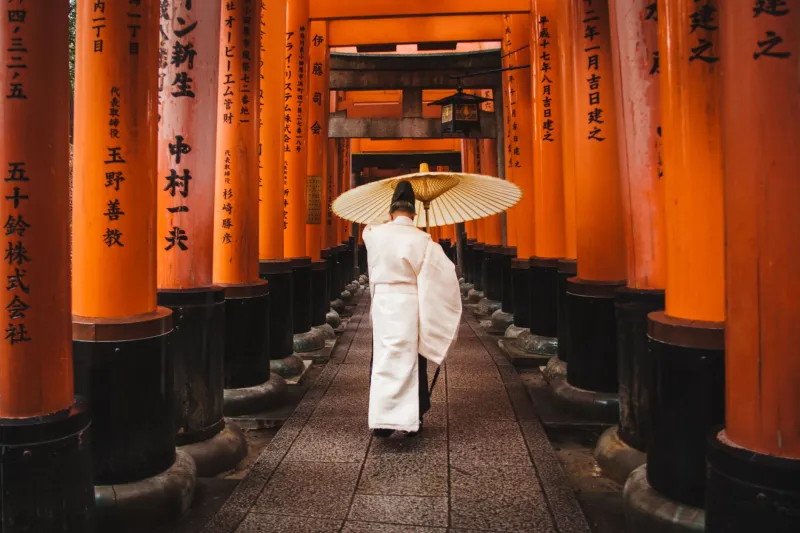
On a crisp Tuesday morning in late autumn, the approach to Fushimi Inari Taisha in Kyoto resembles something closer to a theme park queue than a spiritual corridor. Hundreds of visitors—many clutching smartphones, many more wearing expressions of cheerful anticipation rather than contemplative reverence—funnel beneath the vermilion torii gates that have, for centuries, marked the boundary between the everyday world and sacred space. For the shrine's administrators, this scene encapsulates a dilemma that has grown more urgent with each passing tourist season: how does a living religious institution remain spiritually coherent when it has become, simultaneously, one of the most photographed places on earth?
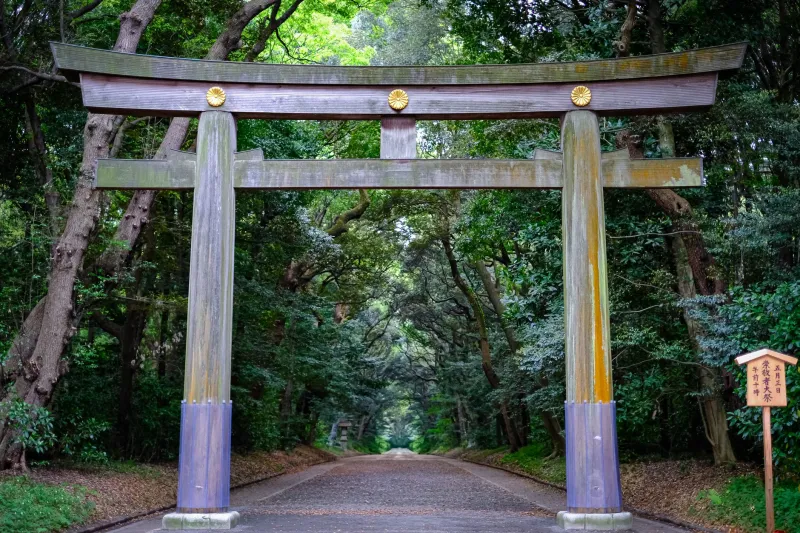
This tension is not unique to Fushimi Inari. Across Japan, from the coastal grandeur of Itsukushima Shrine on Miyajima Island to the ancient cedar-shaded precincts of Meiji Jingu in Tokyo, shrine administrators are grappling with the consequences of their own global appeal. The Japan Tourism Agency reported that inbound visitor numbers surpassed 25 million in 2023, with Shinto shrines consistently ranking among the top cultural destinations. The result is a paradox that strikes at the heart of Shinto itself: the very qualities that draw people to these places—tranquility, natural beauty, an atmosphere of undisturbed antiquity—are precisely what overcrowding threatens to destroy.
When Reverence Competes With Recreation
For many American visitors, the first encounter with a major Japanese shrine is a moment of genuine wonder. The deliberate spatial design, the sound of wind through ancient trees, the sight of priests moving through morning rituals with unhurried purpose—these elements create an experience that feels qualitatively different from ordinary sightseeing. Yet that experience depends on conditions that are increasingly difficult to sustain.
Senior priests at several major shrines, speaking in interviews conducted for this article, described a widening gap between the shrine's intended function and the reality of daily visitor management. One kannagi, or shrine attendant, at a prominent Kanto-region shrine put it plainly: "We are a place of prayer first. We have always welcomed visitors, and Shinto has never been a closed tradition. But when the sacred path becomes a pedestrian highway, something essential is lost—not just for the worshippers, but for the visitors themselves, even if they cannot name what is missing."
This concern is not merely aesthetic. Shinto theology holds that kami—the divine spirits enshrined within each jinja—are sensitive presences whose relationship with the human world requires careful cultivation. Excessive noise, disrespectful behavior, and the sheer density of crowds are understood, in traditional terms, as disruptions to the spiritual atmosphere, or kehai, that practitioners spend considerable effort maintaining through ritual and architectural design.
The Management Revolution Quietly Taking Shape
In response, a growing number of shrines have begun implementing visitor management strategies that would have seemed extraordinary just a decade ago. These measures range from the straightforwardly practical to the technologically sophisticated.
Timed entry reservations, borrowed conceptually from the museum and national park sectors, are now in place at several high-traffic shrines during peak seasons. The system allows administrators to cap the number of visitors in the inner precincts at any given hour, preserving the spatial and acoustic qualities that define the sacred atmosphere. Visitor feedback collected at pilot sites has been largely positive, with many tourists—particularly those traveling from the United States—expressing that the reservation process actually enhanced their experience by signaling that what awaited them was worth protecting.
Digital crowd-monitoring tools represent a more recent innovation. Using anonymized mobile data and sensor networks, shrine offices can now track visitor density in real time, deploying staff to manage bottlenecks before they reach critical levels. Some shrines have integrated this data with public-facing displays at entrance gates, allowing visitors to make informed decisions about when to approach the inner sanctum. The approach draws on practices familiar to American travelers from national parks like Zion and Arches, where similar systems have been implemented to protect sensitive landscapes.
Access restrictions to the most sacred inner areas—historically enforced through architectural design and social convention—are also being formalized. Several shrines have introduced clearly marked zones distinguishing areas open to general visitors from those reserved for worshippers and ritual participants. Signage in English, Chinese, and Korean accompanies these boundaries, reflecting the international composition of contemporary visitor populations.
The Question of Authenticity
Not everyone within the shrine community views these measures with equal enthusiasm. A minority of priests and Shinto scholars have raised concerns that systematizing access risks transforming the shrine visit into a curated experience—something managed and packaged rather than genuinely encountered. The worry is that in solving one problem, administrators may inadvertently create another: a sanitized version of sacred space that satisfies tourists without truly serving the kami or the faithful.
This debate touches on deep questions about the nature of Shinto practice. Unlike many Western religious traditions, Shinto does not draw a sharp distinction between the sacred and the natural world. The kami are understood to be immanent—present in rivers, mountains, ancient trees, and the living communities that have tended these shrines for generations. Any management system, however well-designed, must contend with the fact that it is operating on ground that is not merely historically significant but spiritually active, at least in the understanding of those who maintain it.
For American visitors seeking to engage meaningfully with this dimension of shrine culture, the implications are worth considering before departure. Choosing off-peak hours, approaching inner precincts with the same quiet attentiveness one might bring to a cathedral or a national memorial, and taking time to observe rather than merely photograph—these habits of engagement are not simply matters of courtesy. They reflect a genuine effort to meet the shrine on its own terms.
What Thoughtful Visitors Can Do
The shrines most successfully navigating the tourism surge share a common characteristic: they communicate their expectations clearly and trust visitors to respond. Multilingual orientation materials that explain the spiritual significance of each zone, staff trained to offer context rather than merely enforce rules, and physical design choices that guide visitor movement without feeling coercive—these elements combine to create an environment in which reverence feels natural rather than imposed.
For travelers planning a first or return visit to Japan's major shrines, a few practical considerations follow from this picture. Researching reservation requirements well in advance is increasingly essential for the most popular sites. Arriving at dawn, when crowds are thinnest and the interplay of light and ancient architecture is most affecting, remains one of the most reliable ways to encounter a shrine at its most spiritually resonant. And understanding, even at a basic level, what the space is actually for—that it is a working religious institution, not a historical exhibit—transforms the quality of attention one brings to the experience.
Japan's sacred shrines have survived centuries of political upheaval, natural disaster, and cultural transformation. Whether they can preserve their essential character in the face of mass global tourism is a question still being answered, one timed entry ticket and one quietly observed ritual at a time. The outcome depends, in no small part, on the quality of attention that visitors from around the world choose to bring through the gate.