Sacred Space, American Home: How Shinto Principles Are Guiding a New Generation of Personal Altar Builders

Photo: Unknown authorUnknown author, Public domain, via Wikimedia Commons
A Movement Taking Root in Unexpected Places
In a sunlit apartment in Portland, Oregon, a small wooden shelf holds a folded white cloth, a ceramic dish of salt, a glass of fresh water, and a single branch of evergreen. In a Chicago townhouse, a dedicated alcove faces east, framed by a hand-carved wooden arch that its owner spent months researching before constructing. These are not decorative arrangements. They are sincere attempts to translate the spatial and spiritual logic of Japan's Shinto shrines into the context of everyday American life.
This growing practice—sometimes called home shrine-building, sometimes discussed under the broader umbrella of personal kami devotion—has gained quiet but steady momentum over the past decade. What distinguishes the most thoughtful practitioners from those who treat the aesthetic as mere décor is a genuine engagement with the architectural and ritual principles that give Japan's jinja their spiritual character. Understanding those principles requires looking carefully at what Shinto actually teaches about the relationship between physical space and sacred presence.
What Jinja Architecture Is Actually Communicating
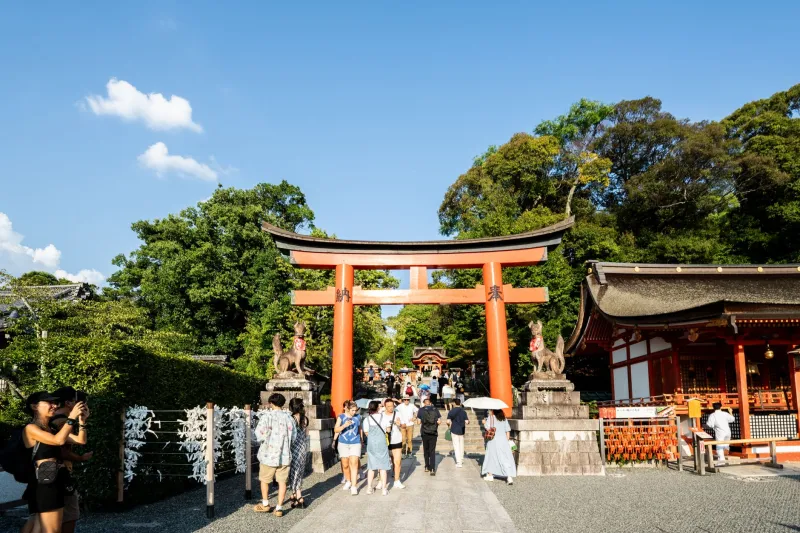
Japan's Shinto shrines are not simply beautiful buildings. Every element of their design carries functional spiritual meaning, and that meaning has been refined over more than a millennium of practice. The torii gate, perhaps the most recognizable symbol of Shinto to Western audiences, marks a threshold—a transition from the ordinary world into a space where kami, the divine forces that animate the natural world, are understood to be especially present. Passing beneath a torii is not a passive act; it signals an intentional shift in awareness.
Beyond the gate, the approach pathway—known as the sando—serves a similar purpose. Its length is not incidental. The walk itself is a form of preparation, a gradual quieting of the mind before reaching the main hall. The temizuya, the stone water basin where visitors purify their hands and mouth before approaching the inner sanctuary, reinforces this logic: the body must be brought into a state of ritual cleanliness before entering the most sacred zone.
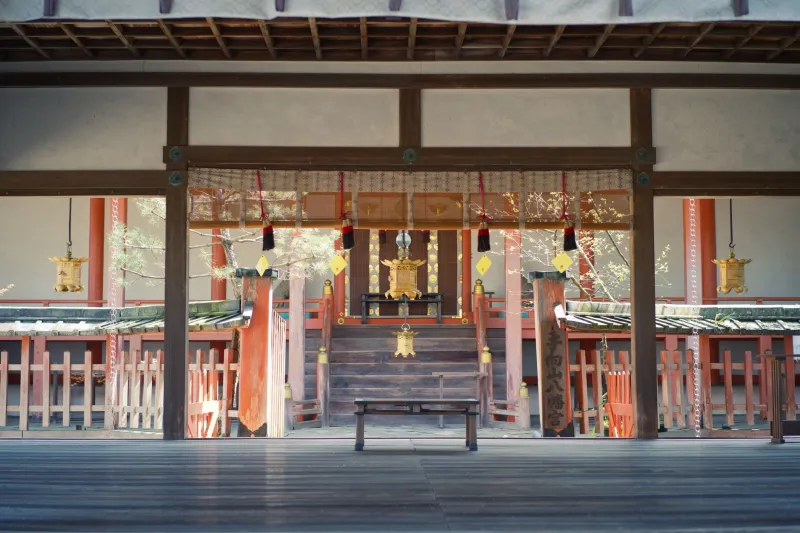
The honden, the innermost structure where the kami is enshrined, is typically not open to visitors at all. Its inaccessibility is deliberate. Sacred presence, in Shinto understanding, is not something to be consumed or observed casually. It is to be approached with reverence, acknowledged at a respectful distance, and honored through offering and prayer.
Each of these elements—threshold, approach, purification, offering, respectful distance—constitutes a vocabulary of sacred spatial design. And it is precisely this vocabulary that the most thoughtful American practitioners are attempting to learn and apply.
Translating Spatial Logic Without Losing Its Meaning
The challenge for Western practitioners is considerable. Shinto is an indigenous Japanese religious tradition with deep roots in a specific cultural, historical, and ecological context. Its kami are often associated with particular mountains, rivers, forests, and ancestral lineages. Transplanting its forms into a suburban American home without that context risks reducing a living spiritual tradition to a style choice.
The practitioners who navigate this most successfully tend to approach the process as students rather than consumers. Many spend time studying the history and structure of specific jinja before making any design decisions. Some consult published scholarship on Shinto ritual; others have sought guidance from Japanese practitioners or cultural organizations willing to share knowledge in good faith.
What emerges from this careful study is not a replica of a Japanese shrine—which would be both impossible and inappropriate—but a space informed by the same underlying principles. A threshold element, however modest, marks the transition into the dedicated space. The approach, even if it is only a few deliberate steps across a room, is treated as a moment of mental preparation. A small basin or bowl of water near the altar serves the function of the temizuya, prompting the practitioner to pause and shift their attention before engaging in ritual.
The altar surface itself is typically kept simple and uncluttered, following the Shinto preference for purity and clarity over ornamentation. Common offerings include fresh water, salt, rice, and seasonal natural materials—choices drawn directly from traditional jinja practice. The placement of these offerings follows a logic of respect: they are arranged to face the kami's representative object or symbol, not displayed for the practitioner's visual pleasure.
Material Choices and the Ethics of Adaptation
The selection of materials is another area where informed practitioners diverge from those approaching the practice superficially. Shinto tradition places great emphasis on natural, unprocessed materials—wood, stone, paper, water, salt—because kami are understood to inhabit and animate the natural world. Synthetic substitutes, in this framework, carry a different quality of presence.
Many American altar-builders report spending considerable time sourcing appropriate materials: untreated hinoki cypress for shelving where possible, handmade washi paper for offerings, locally gathered stones or branches that carry meaning from their place of origin. This attention to materiality reflects an understanding that the altar is not a prop but a functional sacred space, and that its construction is itself a form of practice.
The ethical dimension of this adaptation is one that thoughtful practitioners take seriously. Shinto is not a tradition that actively proselytizes or invites conversion in the Western sense, and its forms carry the weight of a specific cultural inheritance. American practitioners who engage with it respectfully tend to frame their practice not as claiming ownership of Shinto but as learning from it—drawing on its spatial wisdom while remaining transparent about their position as outside admirers.
Daily Ritual as the True Foundation
Perhaps the most important lesson that serious practitioners take from jinja tradition is that the space itself is secondary to the practice it supports. Japan's shrines are alive not because of their architecture but because of the daily rituals performed within them—the morning offerings, the prayers, the careful maintenance of cleanliness and order. A shrine left unattended quickly loses its character as a sacred space.
The same principle applies to home altars. Practitioners who report the deepest sense of meaning from their spaces are, almost universally, those who maintain a consistent daily practice: refreshing water offerings each morning, spending a few minutes in quiet acknowledgment before the altar, keeping the space clean and ordered. The architecture creates the container; the ritual fills it.
This is, ultimately, the most significant thing that Shinto's spatial tradition has to offer Western seekers: not an aesthetic formula, but a functional understanding of how human beings can use physical space to cultivate and sustain a relationship with something larger than themselves. The shrines of Japan have been doing exactly this for more than a thousand years. The Americans now building their own versions are, at their best, students of that long and carefully tended tradition.
A Respectful Conversation Across Cultures
The phenomenon of American home altar-building rooted in Shinto principles is, in one sense, a testament to the depth and accessibility of Japan's sacred architectural tradition. Its logic is coherent enough to travel, and its practices are grounded enough in universal human experience—the need for threshold, purification, offering, and sustained attention—to resonate far beyond their cultural origin.
For those considering this path, the guidance that emerges most consistently from both practitioners and scholars is the same: study before building, learn before practicing, and approach the tradition with the humility that any serious spiritual engagement requires. The jinja of Japan did not arrive fully formed. They were built, maintained, and refined over generations by people who understood what they were doing and why. The home altars taking shape in American spaces deserve the same quality of intention.