When the Torii Falls Silent: The Quiet Crisis of Shrine Closures Across Japan

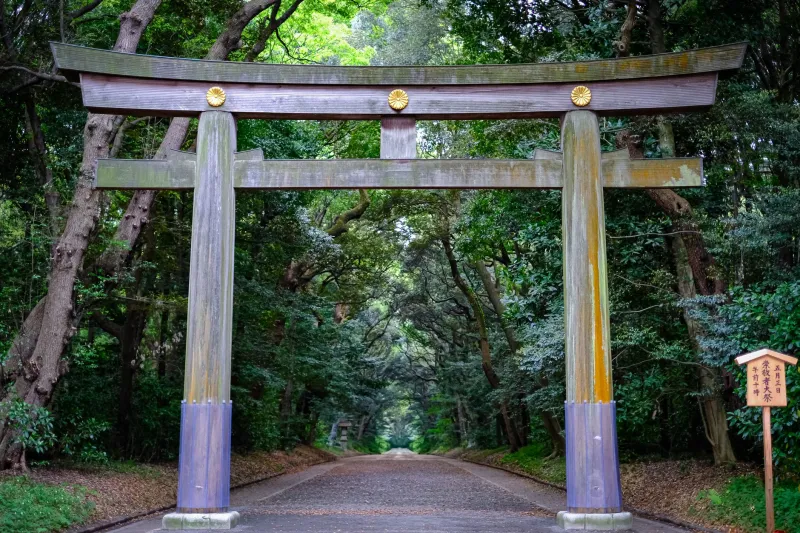
There is a particular kind of silence that settles over an abandoned Shinto shrine. It is not the contemplative stillness that greets a visitor stepping beneath a vermilion torii gate at dawn, nor the meditative quiet cultivated through centuries of ritual care. It is something heavier—an absence where presence once lived, a sacred geography slowly surrendering to moss and shadow.
This silence is spreading across Japan at a rate that alarms historians, religious scholars, and local communities alike. According to estimates from the Association of Shinto Shrines, Japan is home to approximately 80,000 registered jinja. Yet a growing number of these sites are either already closed or facing imminent closure, their futures uncertain in the face of overlapping pressures that no single policy or prayer has yet managed to resolve.
The Numbers Behind the Disappearance
To understand the scope of the crisis, it helps to consider Japan's broader demographic landscape. The country is aging faster than almost any other developed nation, and rural depopulation has hollowed out precisely the communities that have historically sustained local shrines. A jinja in a mountain village of three hundred residents faces a fundamentally different survival calculus than the grand imperial shrines of Ise or the tourist-thronged precincts of Nikko.
Smaller shrines—known as sessha or massha when they function as auxiliary sites to larger shrines—are particularly vulnerable. Many were never staffed by full-time priests to begin with, relying instead on volunteer caretakers drawn from the surrounding community. As those volunteers age and younger residents migrate to urban centers for employment, the human infrastructure that once sustained these spaces quietly dissolves.
The financial picture is equally sobering. Shrine revenue in Japan depends heavily on seasonal observances: New Year's visits, summer festivals, autumn harvest ceremonies, and the sale of protective charms and fortune papers. When a community shrinks, so does the congregation—and with it, the income necessary to fund building maintenance, ritual supplies, and the training of successor priests. The math, for many rural shrines, simply no longer works.
Stories From the Edge
In Shimane Prefecture, long regarded as one of the spiritual heartlands of Shinto tradition, local religious authorities have begun the painful process of consolidating smaller shrines under the administrative umbrella of larger regional sites. Priests who once served a single community now travel circuits covering multiple shrines, performing ceremonies at each before moving on. It is a pragmatic solution, but it comes with a cost: the intimate relationship between a local kami and a specific place—a relationship considered foundational to Shinto belief—becomes harder to maintain when the keeper is always elsewhere.
Further north, in Akita Prefecture, at least one documented shrine complex dating to the early Edo period has been formally decommissioned within the past decade. The wooden structures, no longer maintained against the region's heavy snowfall, began to deteriorate rapidly. The local preservation society lacked the funds for restoration. The nearest city was more than an hour away. The decision to close, those involved have said in interviews with Japanese media, felt less like a choice than a capitulation to circumstances beyond anyone's control.
These are not isolated episodes. They are data points in a pattern that religious scholars describe with increasing urgency.
What Is Lost When a Shrine Closes
From a purely architectural standpoint, shrine closures represent an irreplaceable loss of craftsmanship. Many rural jinja contain examples of traditional carpentry, metalwork, and painted ornamentation that survive nowhere else—techniques passed down through guild lineages that are themselves endangered. Once a building falls into disrepair and its contents are dispersed or lost, that particular configuration of knowledge and artistry ceases to exist in the world.
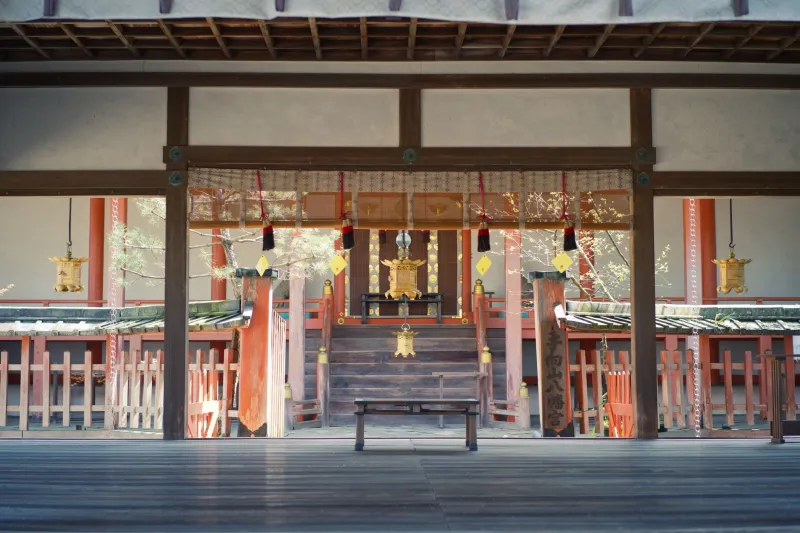
But the loss extends beyond the material. In Shinto theology, a shrine is not merely a building; it is the dwelling place of a kami, a divine presence understood to be intimately connected to the land, the water, and the people of a specific locale. The closure of a shrine is, in the cosmology of those who venerate it, something closer to an eviction than a demolition. Communities that lose their local jinja report not only a sense of cultural bereavement but also a disruption of the social rhythms—the festivals, the seasonal gatherings, the collective acts of purification—that the shrine once anchored.
For American visitors accustomed to thinking of religious sites as buildings that can be repurposed or relocated, this dimension of the crisis can be difficult to fully grasp. The kami, in traditional understanding, does not simply transfer to a new address.
Tourism as a Lifeline—and Its Limits
In recent years, a counternarrative has emerged alongside the crisis: the idea that cultural tourism, thoughtfully practiced, might serve as a partial lifeline for endangered shrines. International visitors, particularly those from the United States and Europe, have demonstrated a willingness to travel considerable distances to reach off-the-beaten-path sacred sites, and their spending—on accommodations, local food, transportation, and shrine offerings—can inject meaningful revenue into communities that desperately need it.
Several prefectural tourism boards have begun marketing rural shrine circuits explicitly as alternatives to the crowded precincts of Kyoto and Tokyo, framing the journey itself as part of the spiritual experience. Organizations such as the Japan Tourism Agency have also explored grant mechanisms that tie preservation funding to demonstrated visitor engagement, creating an incentive structure that rewards shrines for opening themselves to international audiences.
Yet practitioners and scholars caution against treating tourism as a straightforward solution. The same visitor traffic that generates revenue can, if unmanaged, accelerate the erosion of the very qualities that make a shrine worth visiting. Sacred spaces require not just financial support but sustained human attention—priests who know the rituals, community members who understand the seasonal calendar, craftspeople who can repair a roof beam using the correct historical method. Money, while necessary, cannot substitute for any of these.
What American Visitors Can Do
For travelers from the United States who wish to engage meaningfully with this issue, several practical avenues exist. Purchasing omamori (protective charms) and ema (votive tablets) directly at smaller shrines, rather than at souvenir shops, channels funds precisely where they are needed. Participating in guided experiences led by local priests or community volunteers—rather than simply photographing and departing—supports the human networks that sustain these spaces.
A growing number of nonprofit organizations based both in Japan and in the United States are also working on shrine preservation, accepting donations that fund structural repairs, archival documentation, and priest training. The Cultural Properties Protection Division of Japan's Agency for Cultural Affairs maintains public records of designated cultural assets, including shrines, that can help visitors identify sites of particular historical significance before planning a trip.
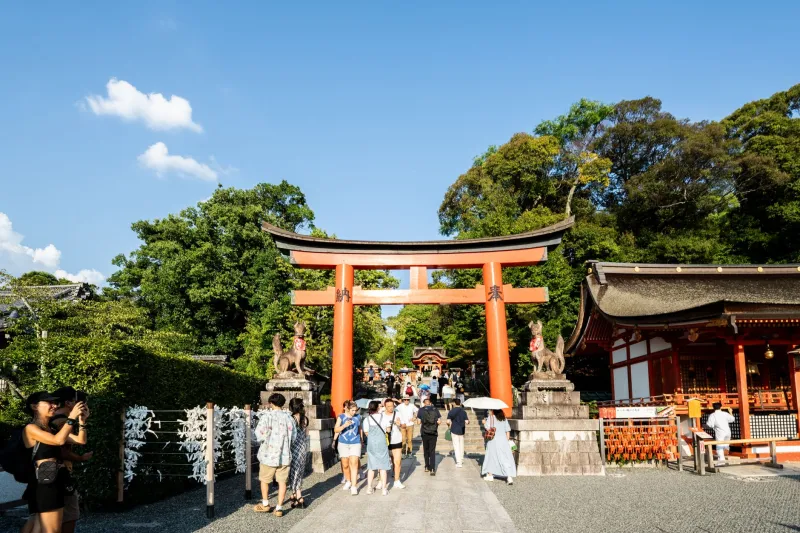
Perhaps most importantly, American travelers can approach shrine visits with the understanding that they are not merely consumers of an aesthetic experience but participants—however briefly—in a living tradition that is struggling to survive. The act of crossing a torii gate with genuine respect and curiosity is, in its small way, an act of preservation.
A Tradition Worth Keeping Alive
The closure of a Shinto shrine is rarely a sudden event. It is a gradual diminishment: fewer visitors each year, a caretaker who grows too old to climb the stone steps, a festival that goes uncelebrated for the first time in living memory. By the time the gate is finally locked, the silence has already been building for decades.
Understanding that trajectory—and recognizing the window that remains open for intervention—may be the most important thing a cultural traveler can carry home from Japan. The torii gates still standing deserve not only our admiration but our active, considered support.